

Strolling near the studio, I saw trees laden with adorable bloodwood fruits. These small, uniquely shaped balls covered in soft thorns are actually the fruits of the bloodwood, a common pioneer plant in Taiwan!
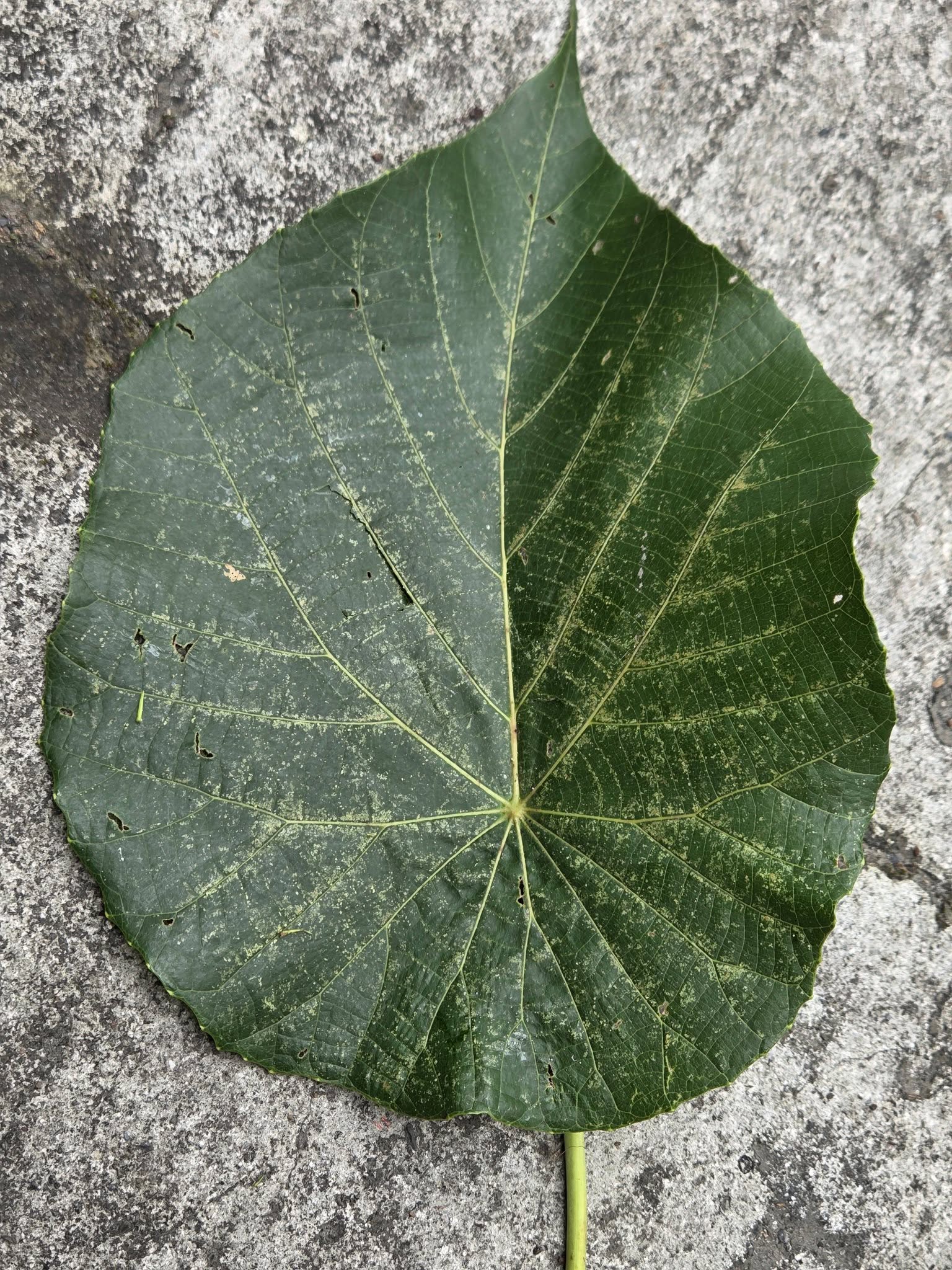
🛡️ Leaves like shields, sap like blood: The leaves of the Bloodwood are very unique. The petiole grows in the center of the leaf, resembling a round shield held by an ancient soldier. It’s called “Bloodwood” because when the trunk is injured, the sap that flows out oxidizes upon contact with air, turning reddish-brown, just like bleeding. But don’t worry, this is its superpower for self-protection and wound healing!
🥟 Taiwan’s “Natural Preservative” Don’t let its ubiquitous presence in the wild fool you; in the past, the blood tung tree was a lifesaver for housewives in rural areas! A Perfect Companion for Rice Cakes: Before plastic bags or baking paper, older generations would pick the broad leaves of the blood tung tree, wash them, and use them to line the bottom of steamed rice cakes like red tortoise cakes or grass cakes. The steamed cakes wouldn’t stick and would even have a subtle, pleasant herbal aroma. Wrapping Lunch and Serving Containers: Because its leaves are large and durable, it’s also used as a natural packaging material; a simple fold makes a perfect food container.
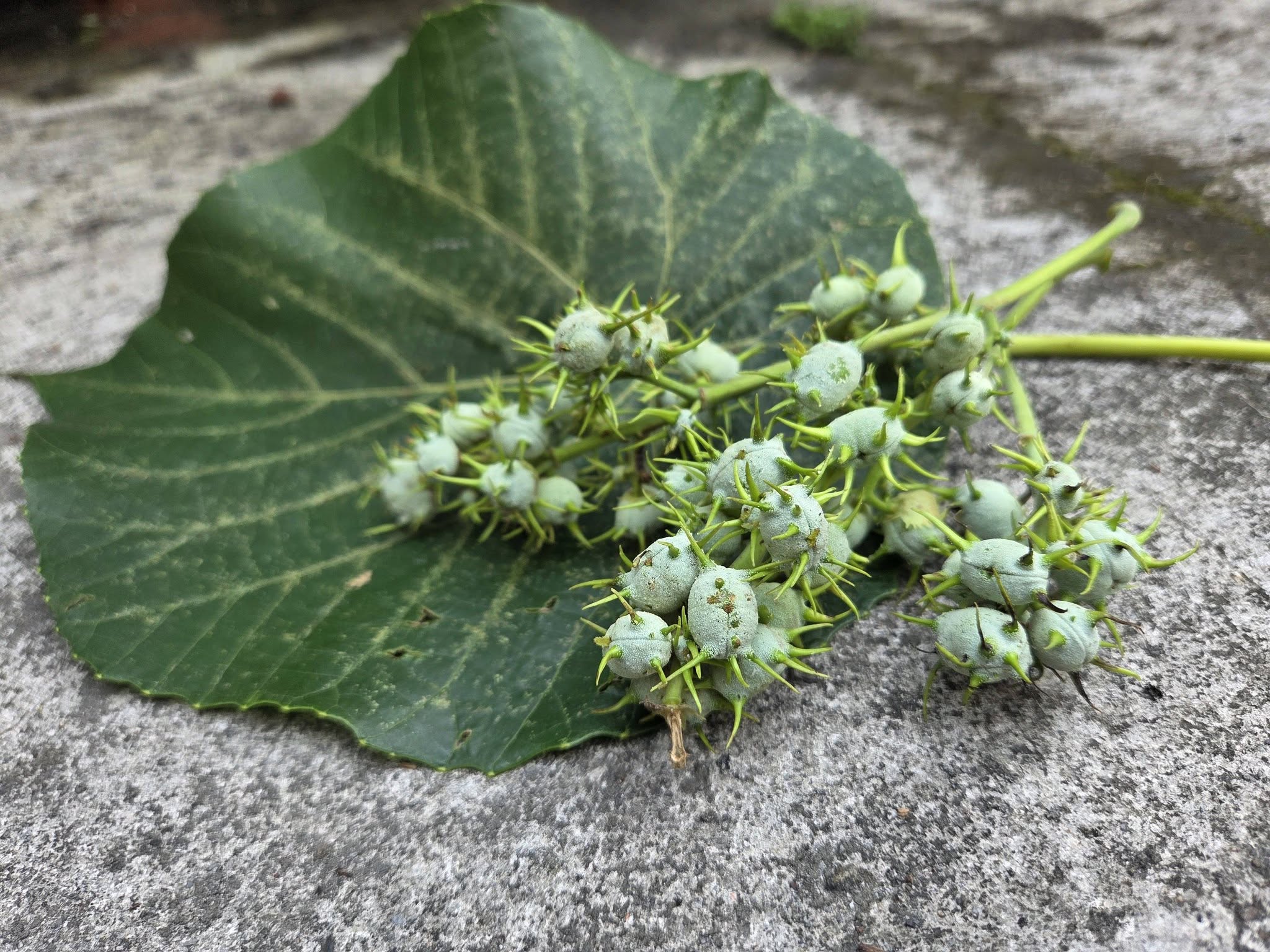
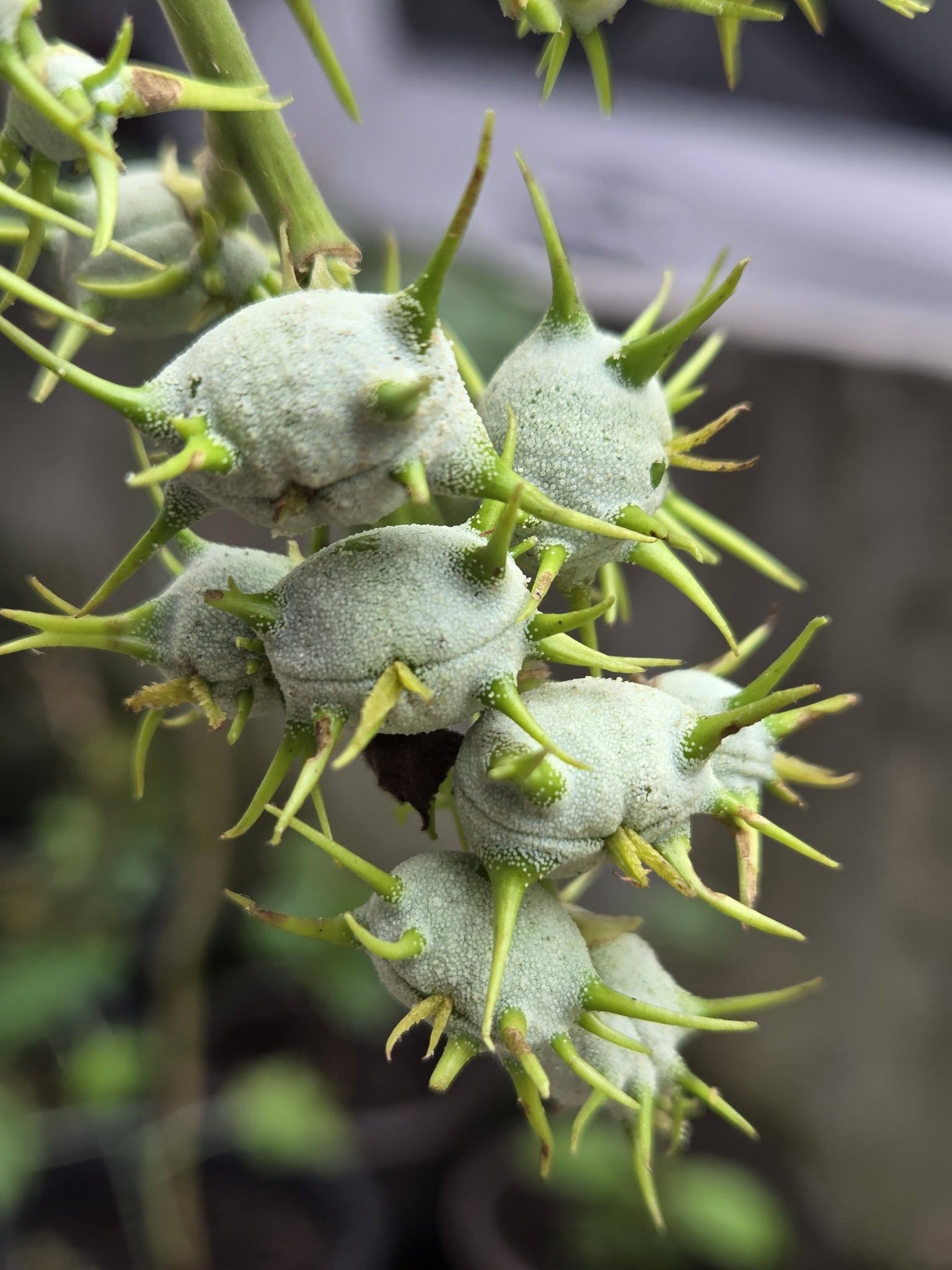
🕊️ The birds’ open-air buffet is also a creative journey for a leaf. At this time of year, these “green meteor hammers” will gradually turn yellow and ripen, hiding black seeds inside. These are the favorite snacks of birds such as the white-headed bulbul and the green white-eye! If you observe quietly under the tree, you can often see birds busily feeding.
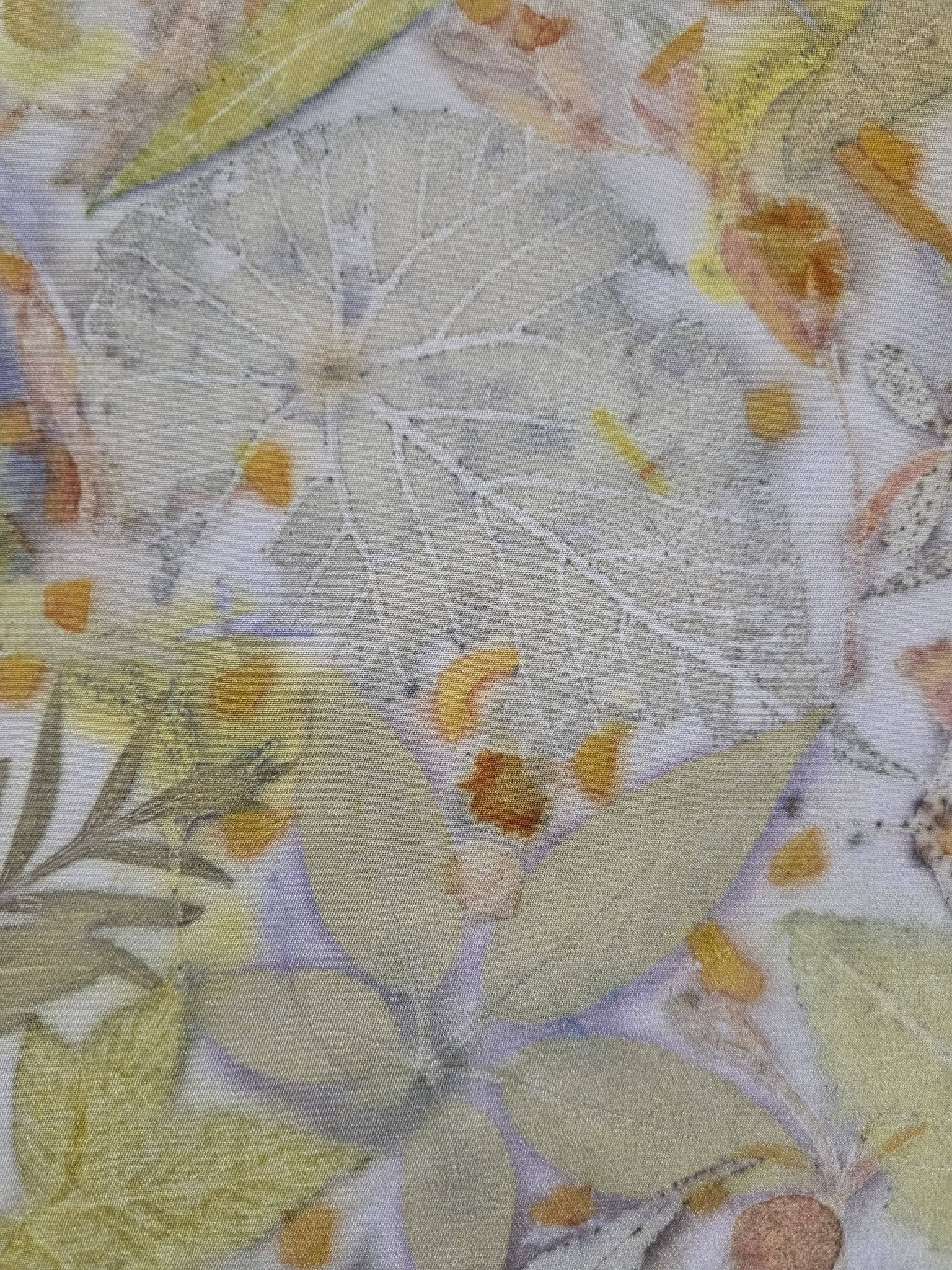
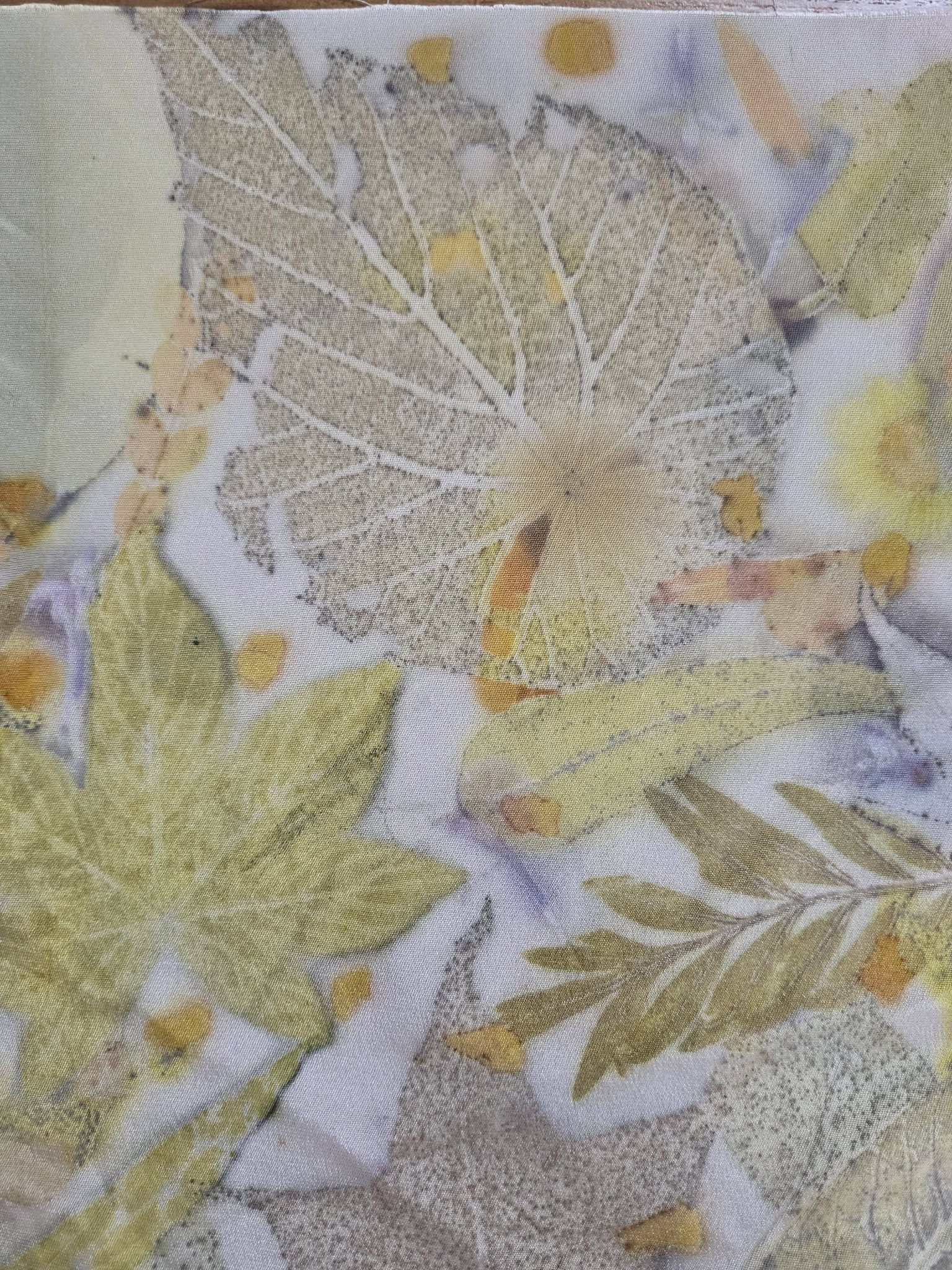
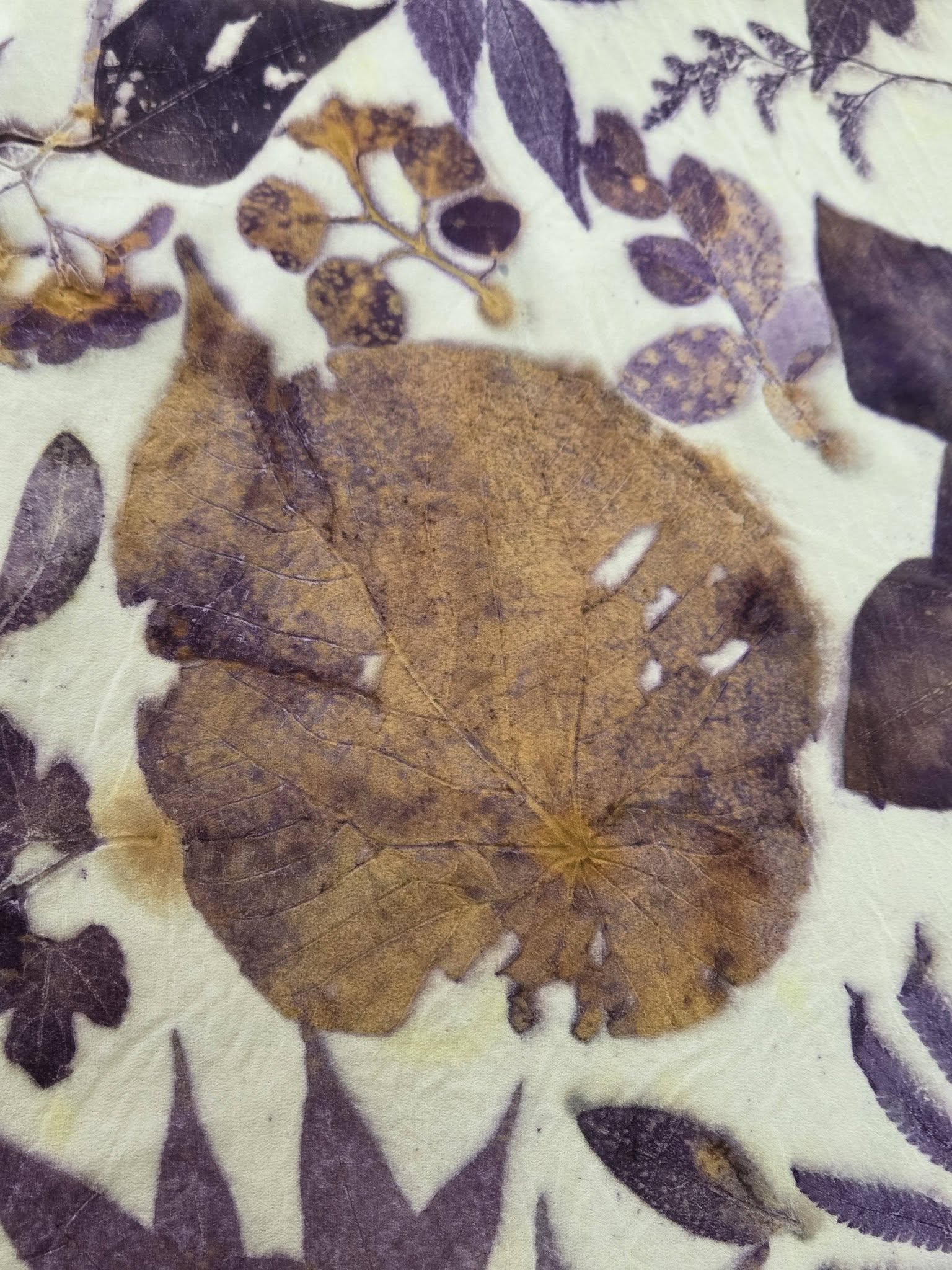
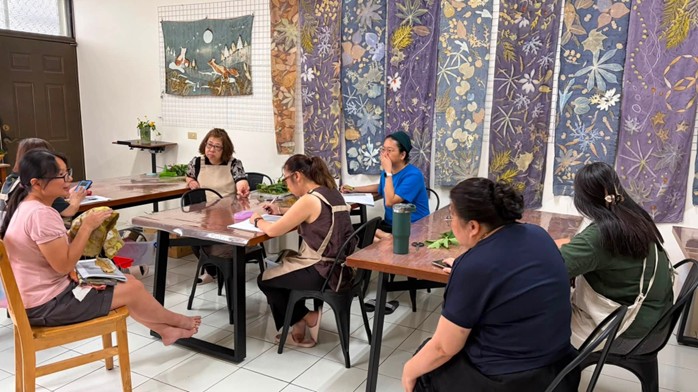
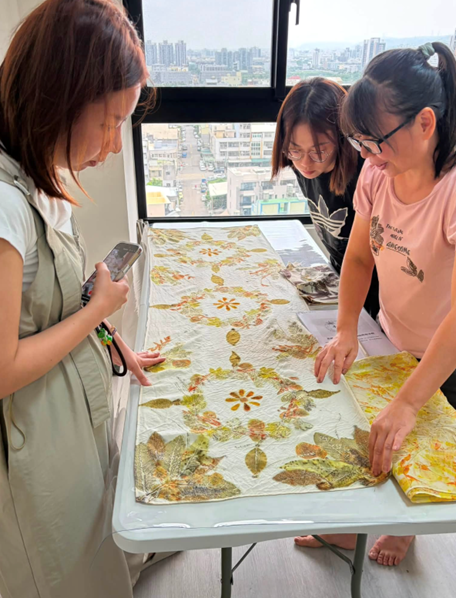
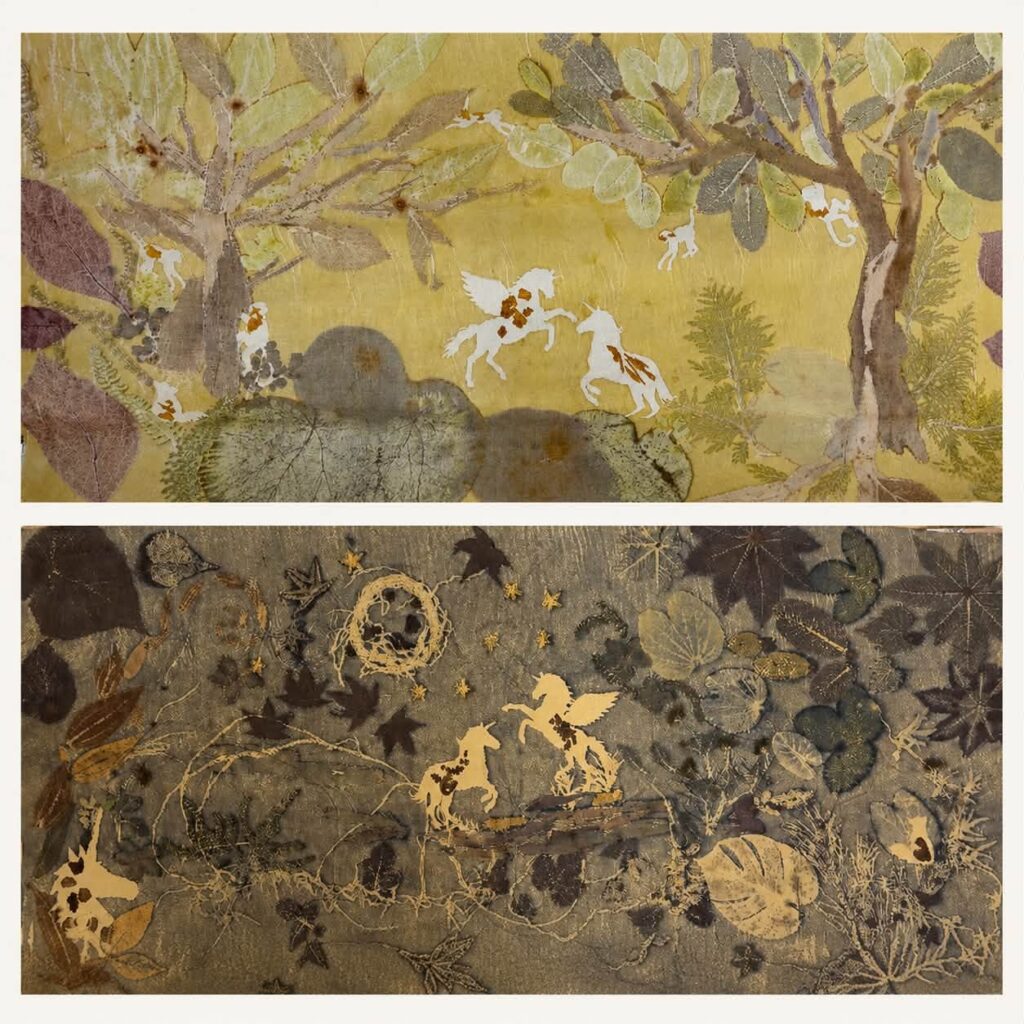
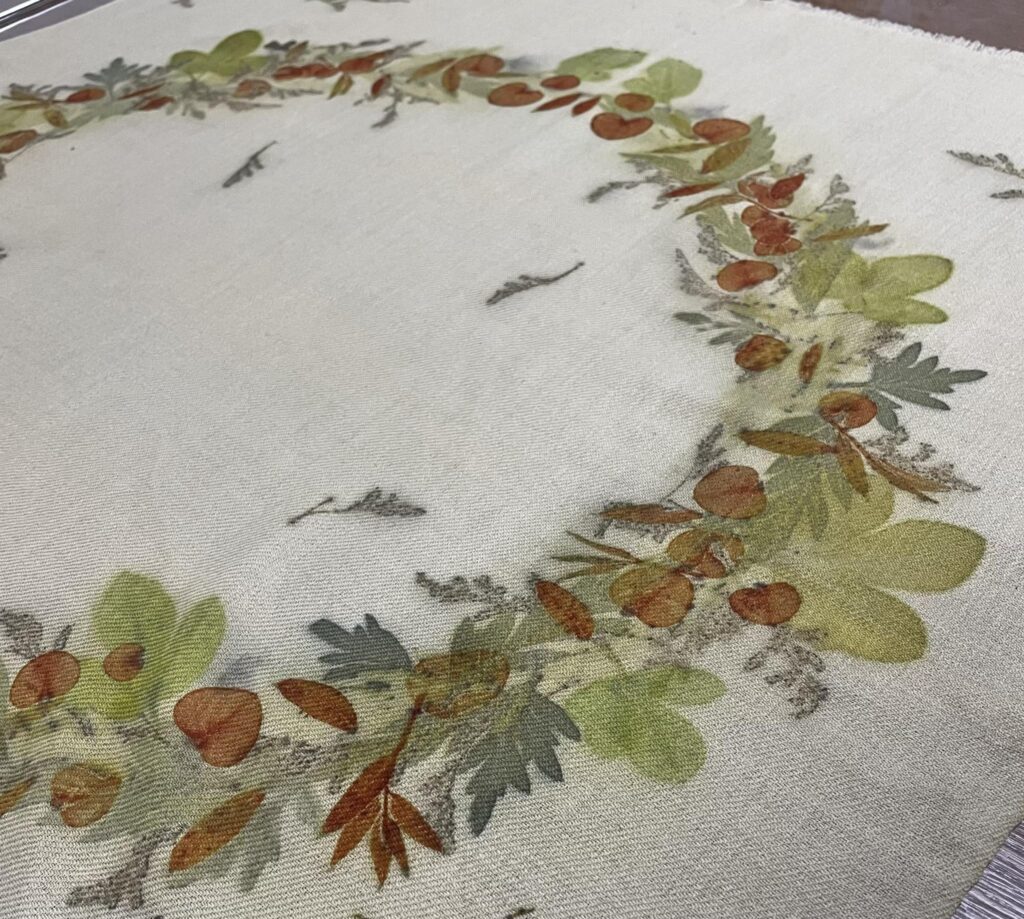
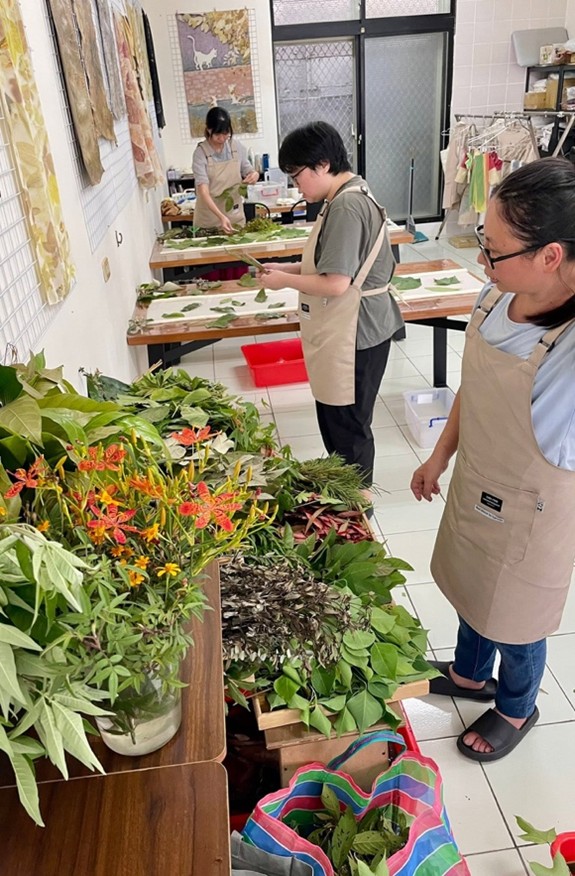
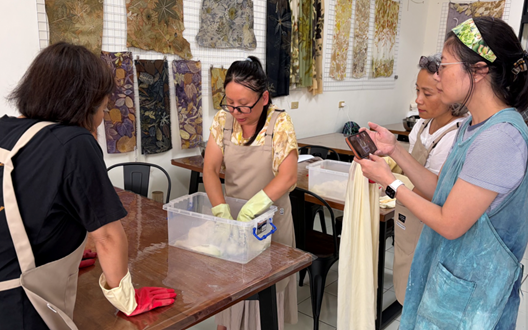
For me, the blood tung tree is not just a common plant along riverbanks, but also a fascinating leaf material in foliage transfer dyeing. Foliage transfer dyeing is a natural dyeing technique that transfers the shape, pigments, and textures of plant leaves onto fabric through mordant dyeing, rolling, steaming, and other methods. Each leaf will leave a unique mark depending on the season, moisture content, leaf age, fabric material, and mordant method.
I often use paulownia leaves for transfer printing. Whether the leaves are whole and round or have been gnawed by insects and have natural gaps, the transfer prints are full of fun. The bite marks are like patterns carved by nature, adding layers to the fabric and giving it a touch of wildness and life.