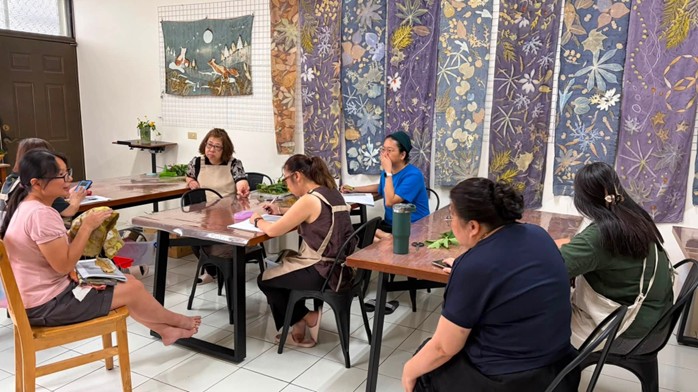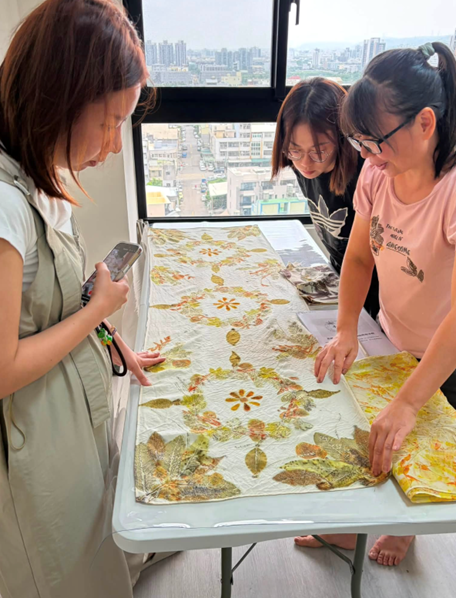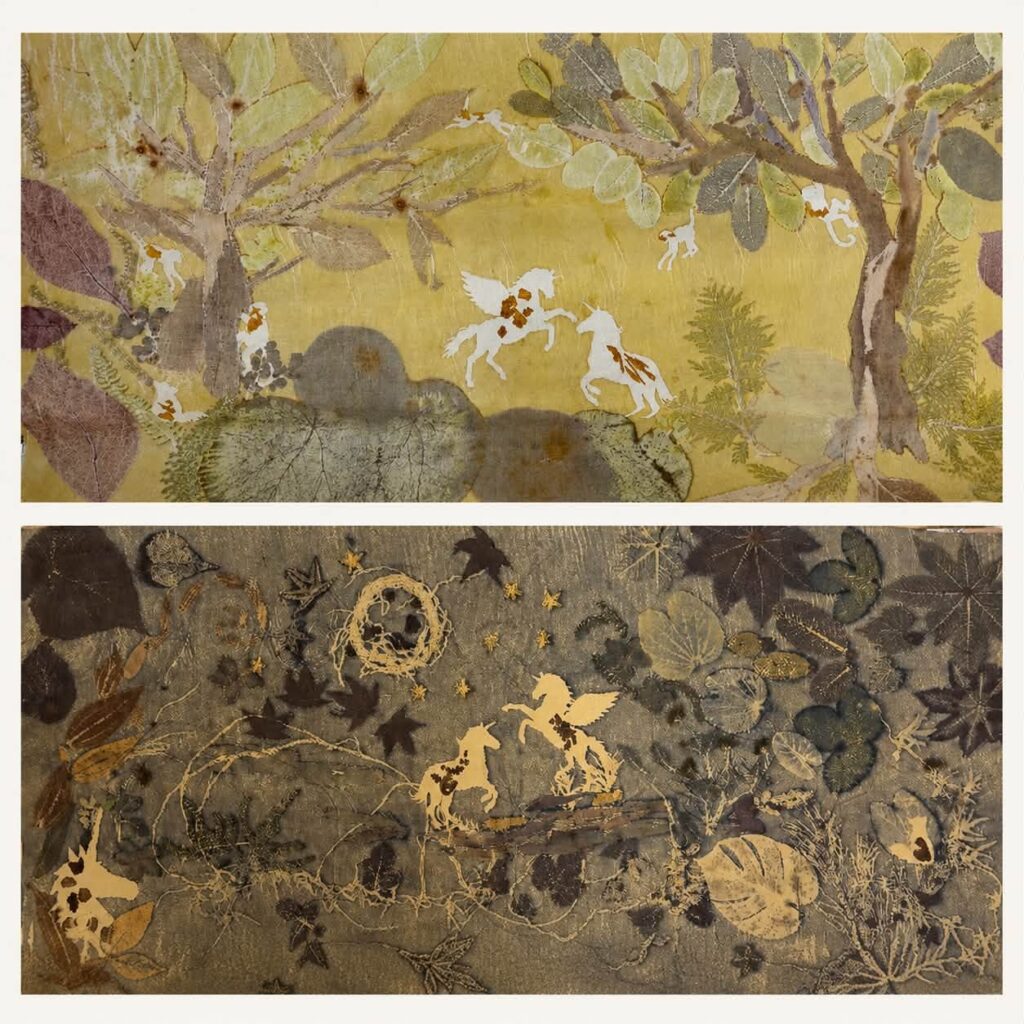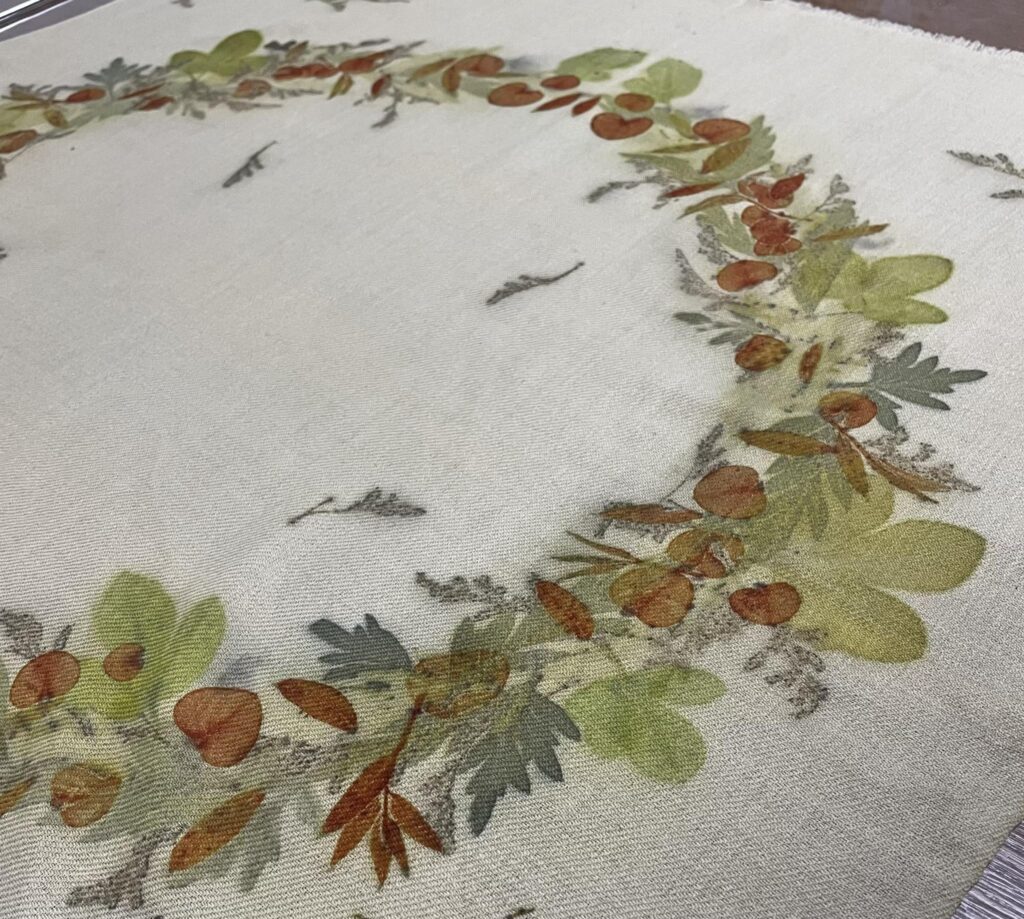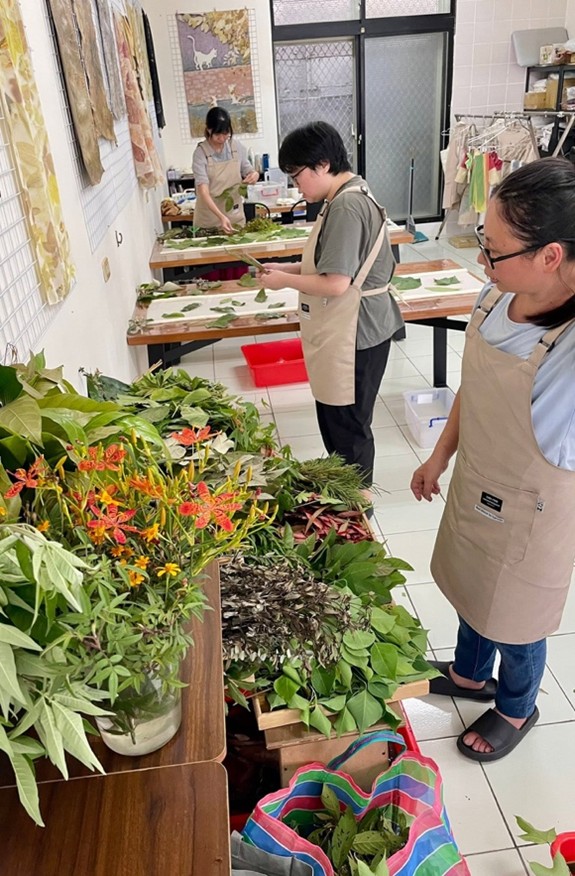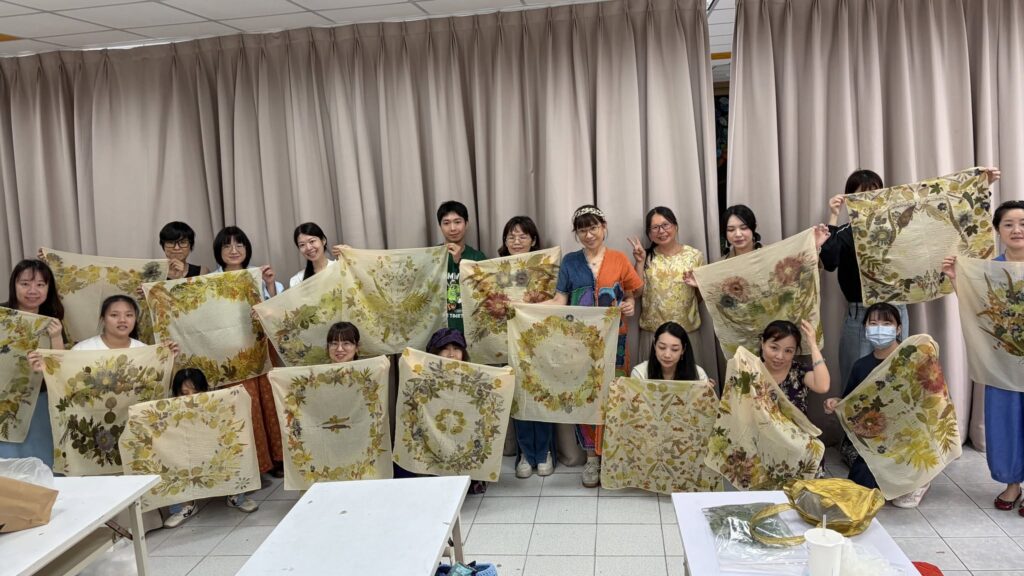


This time, the course focuses on “Using dyes and mordants” to lead students to further understand the relationship between plant colors and fabrics. From the selection of dyeing materials, the matching of mordants, to the color changes after cooking, every step is not a fixed answer, but a delicate observation and experiment.
🌿Start with dyes and understand the possibilities of natural colors
In pad printing and dyeing of flowers and leaves, the plant itself is the most important source of color.
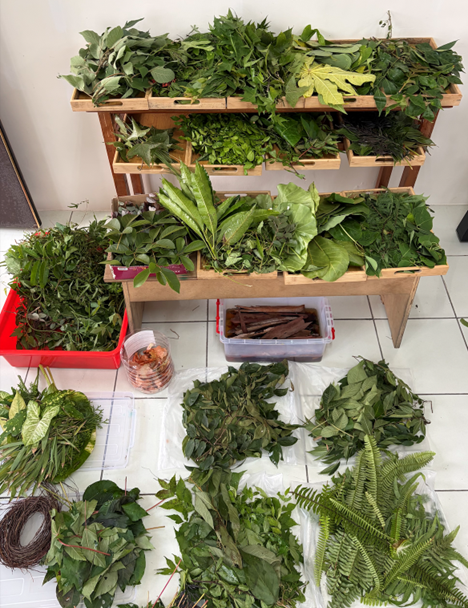
Different flowers, leaves, branches and natural dyes will leave completely different marks on the fabric due to the different tannins, pigments and plant fiber structures they contain. Some leaves are easy to print with clear veins, while some flowers show soft and smudged colors; some dyes can bring out warm yellow, and some can be transformed into richer tones such as red, blue, and purple.
This class is not just about operations, but more importantly, about learning to observe: the same plant, paired with different mordant dyeing methods, may produce completely different expressions.
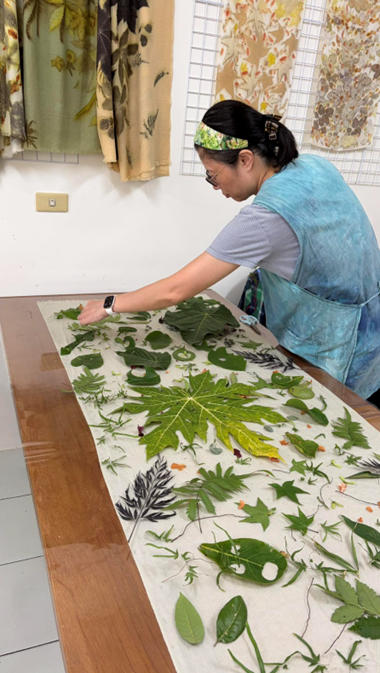
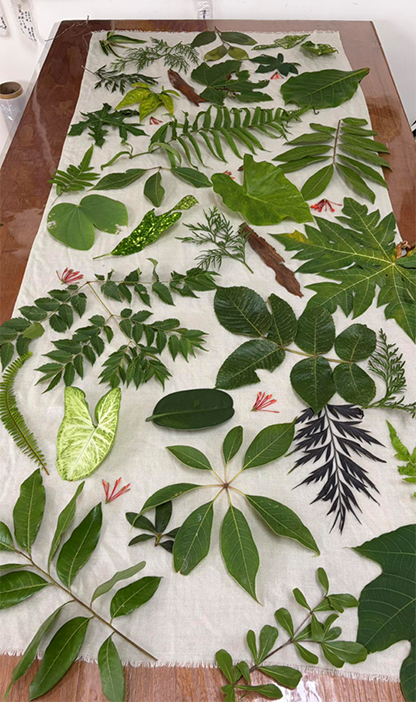
🌿Mordant is the key to unlocking color changes
Mordants play a very important role in pad printing and dyeing of mosaics and leaves.
It not only helps the combination of colors and fibers, but also affects the final changes in depth, light and shade, and hue. Through the combination of different mordants and dyeing materials, students can better understand why the same plants show different colors under different conditions.
This is also an important stage for mosaic and leaf pad printing and dyeing to move from “fun” to “more controllable”.
When we begin to understand the relationship between dyeing materials and mordant, the works no longer just wait for surprises, but can slowly accumulate experience in experiments and create more stable and layered natural colors.
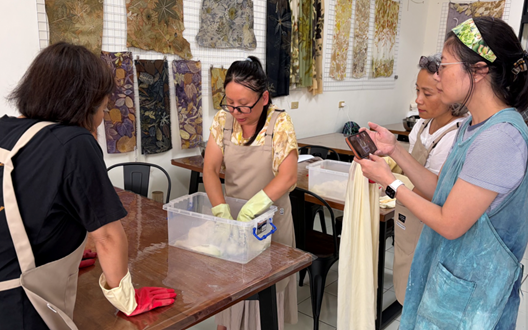
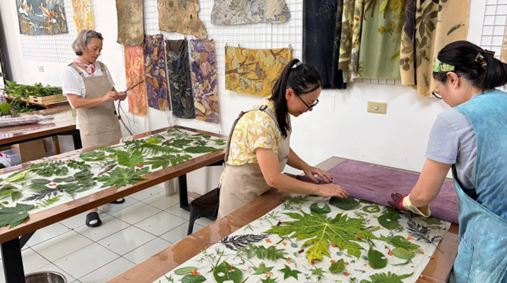
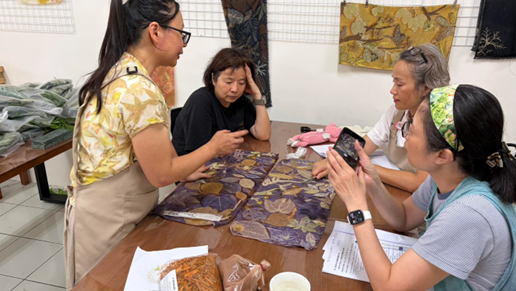
🌿Two-day course to complete four shades of wool scarf
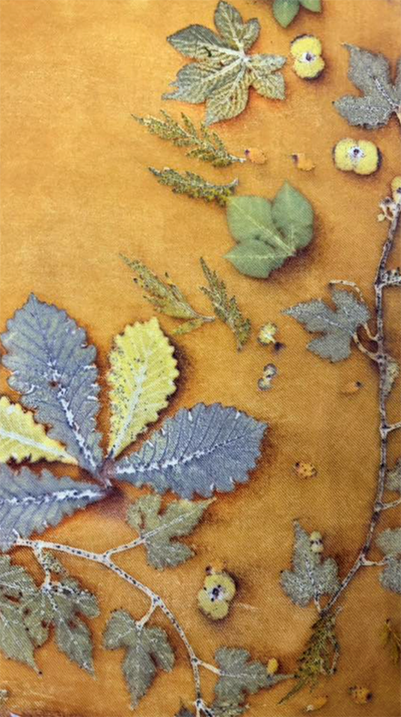
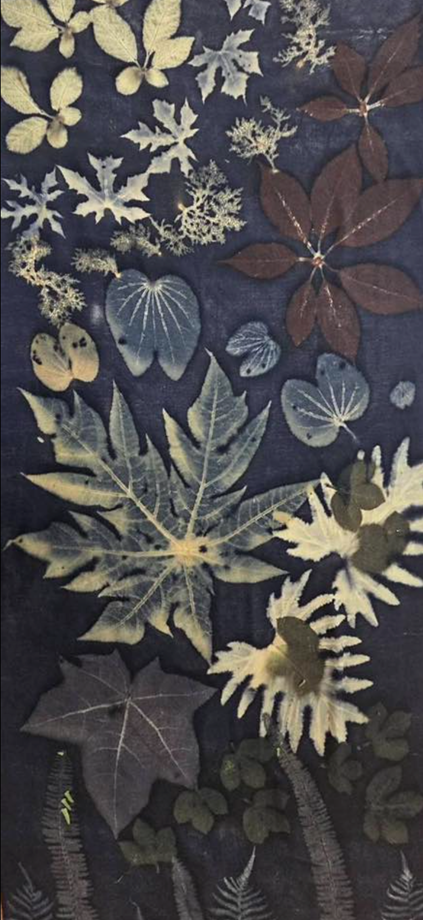
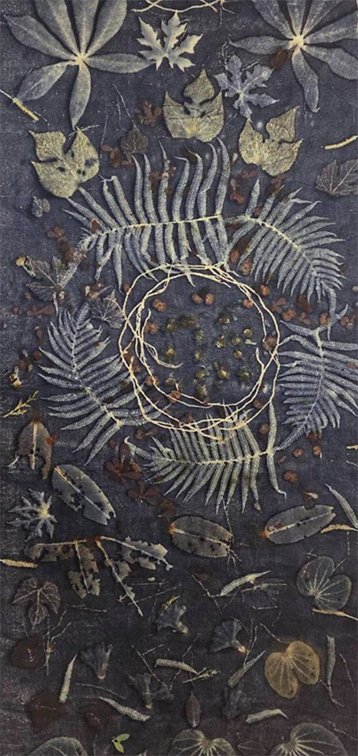
This course is a practical course for two consecutive days. During the course, students completed four wool scarf works and presented them respectively:
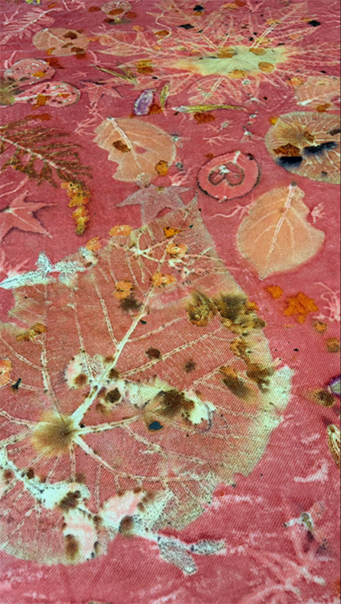
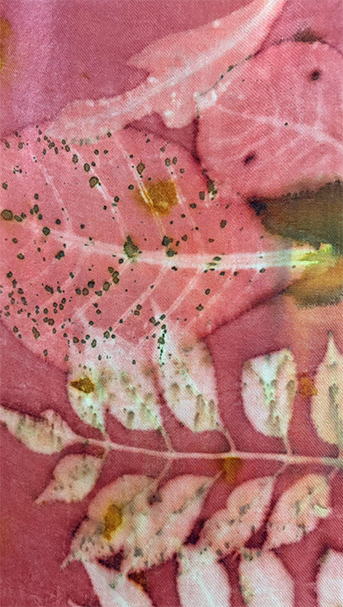
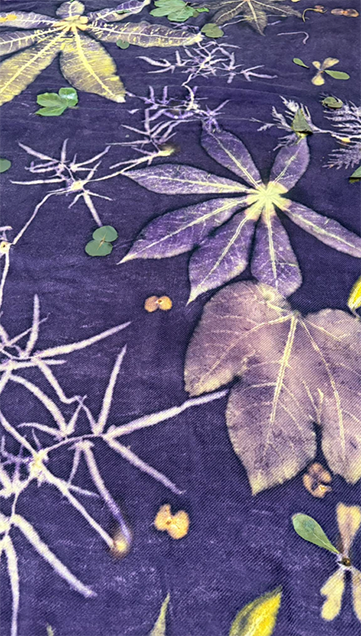
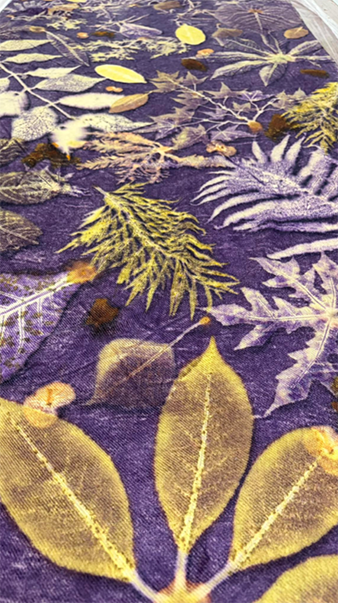
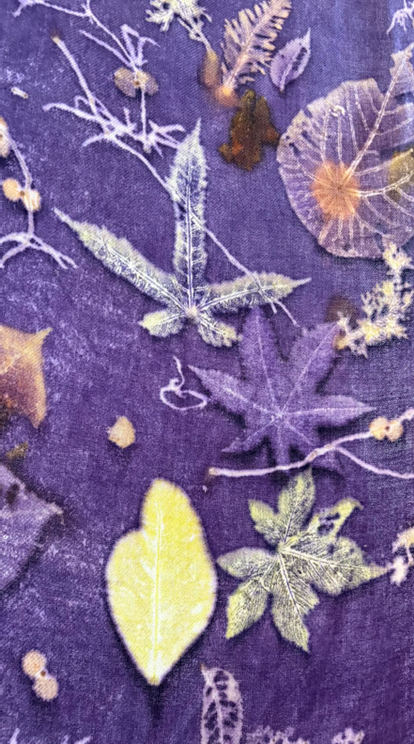
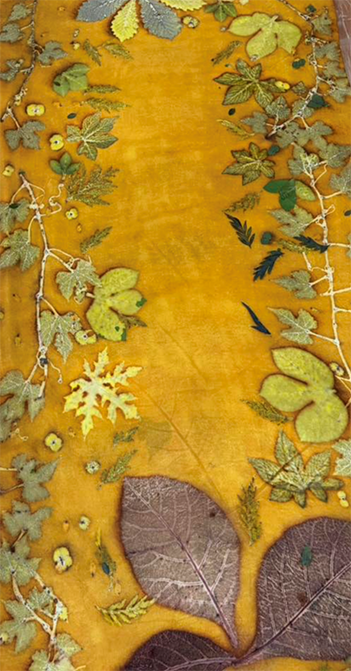
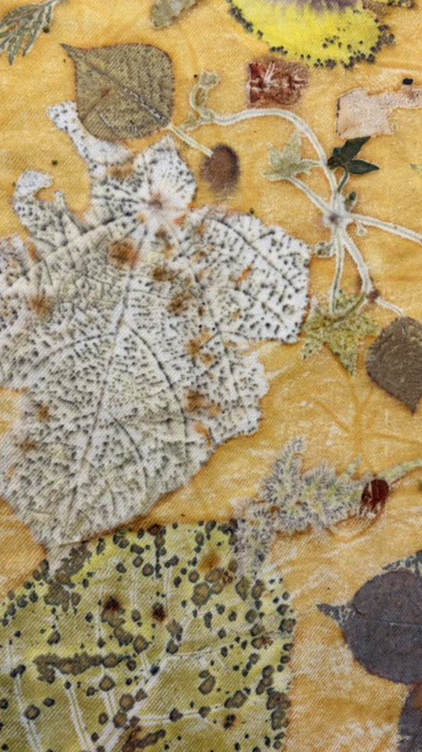
Four different shades of yellow, red, blue and purple.
Wool itself is an animal fiber and reacts very delicately to natural dyes and mordants. It is also very suitable as a fabric for observing color changes. Through the practical exercises of four tones, students can more directly see the difference produced by matching dye materials and mordants.
Every scarf is not simply a finished product, but an experimental record.
From leaf laying, dyeing, bundling, steaming, to the final moment of unwrapping the cloth, the students participated and witnessed the natural color changes with their own eyes.
🌿Pad printing and dyeing of flowers and leaves is a technique and a way of getting along with nature.
In class, we will gradually see that mosaic and leaf pad printing and dyeing do not pursue completely replicable results.
It requires skill and patience. Plants need to be understood and nature changes need to be accepted.
Sometimes the color is stronger than expected, sometimes the flower shadow leaves only a faint trace; sometimes the leaf veins are clear, and sometimes the color spreads out like fog. Through the use of dyes and mordants, students not only completed four wool scarves, but also gradually built up their sensitivity and judgment of natural colors during the two-day course.
🌿Course summary
This course on “Using Dyeing Materials and Mordants” is suitable for students who have already been exposed to mosaic and leaf pad printing and dyeing, and want to further understand color changes and the stability of their works.
From the wool scarves in four tones of yellow, red, blue and purple, we can see the delicate and fascinating relationship between plant dyes and mordants.
Every implementation is a collaboration with nature. Every time the fabric is opened, the colors leave a gentle answer.