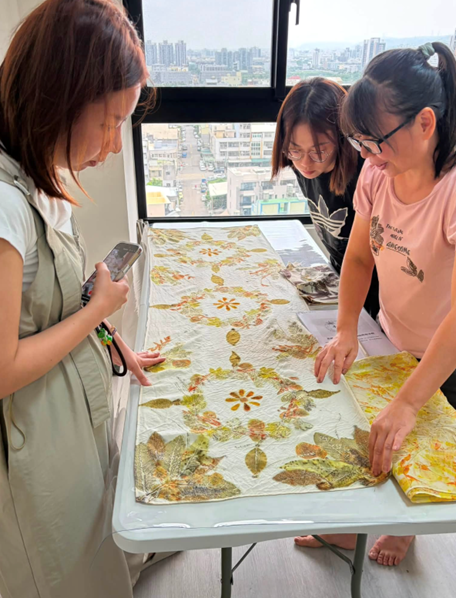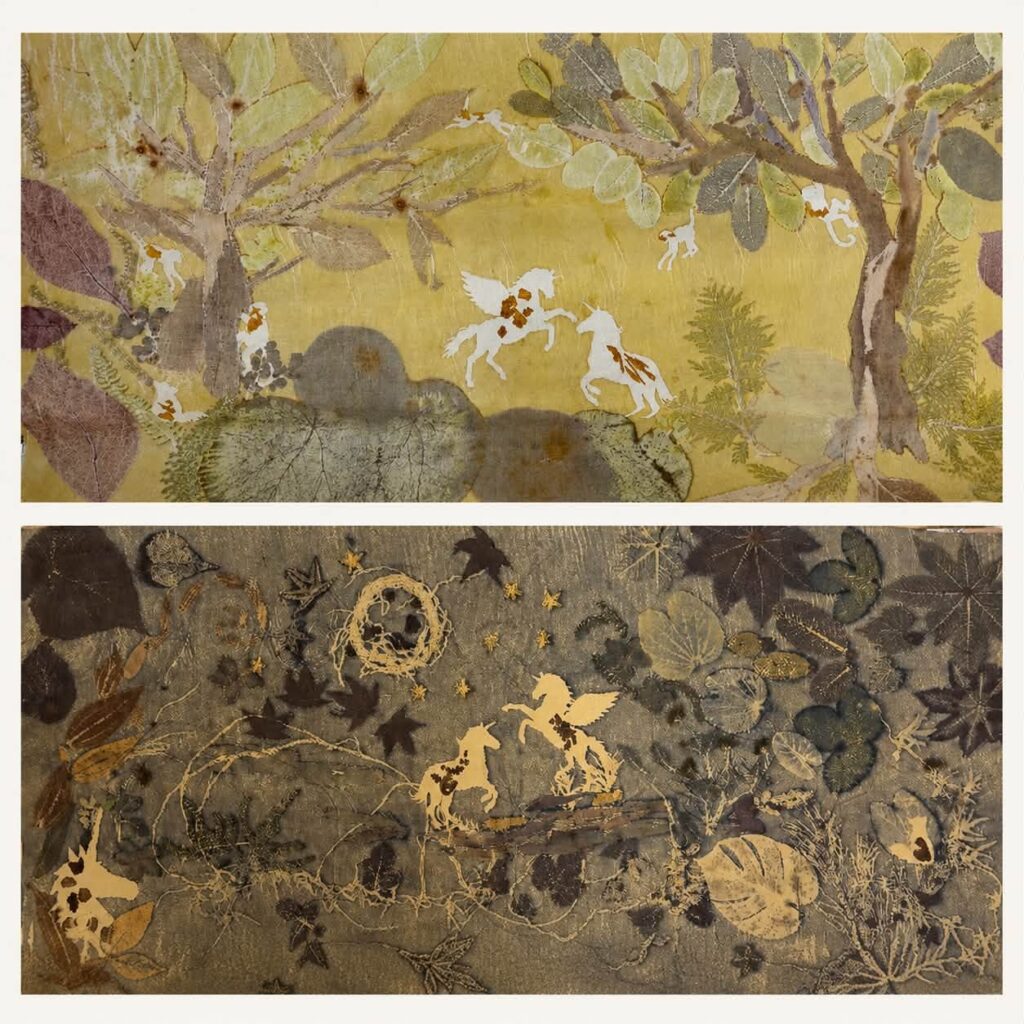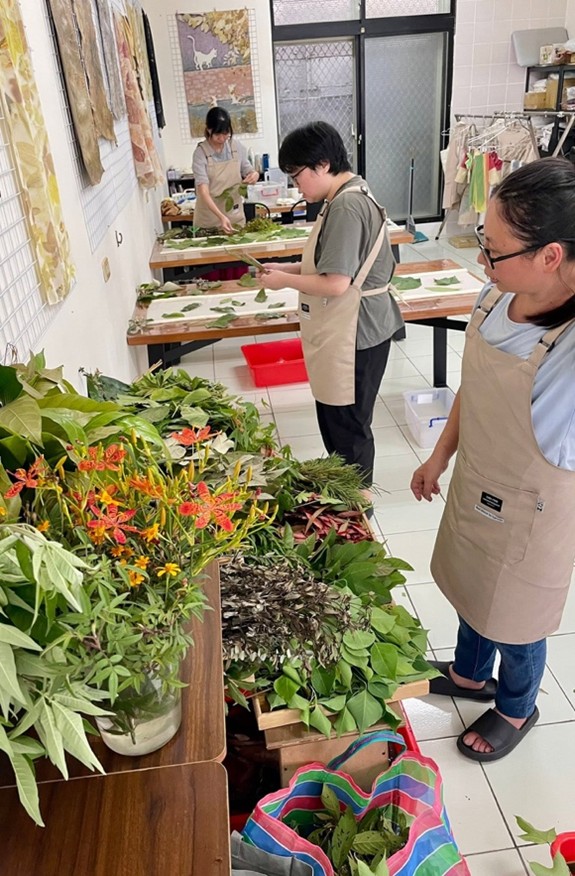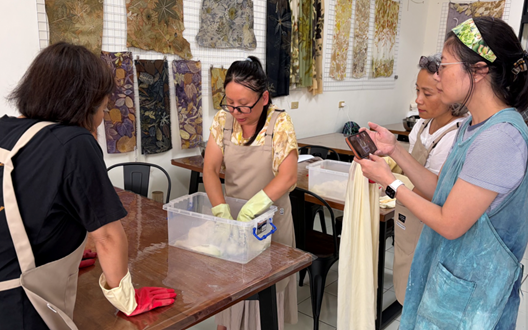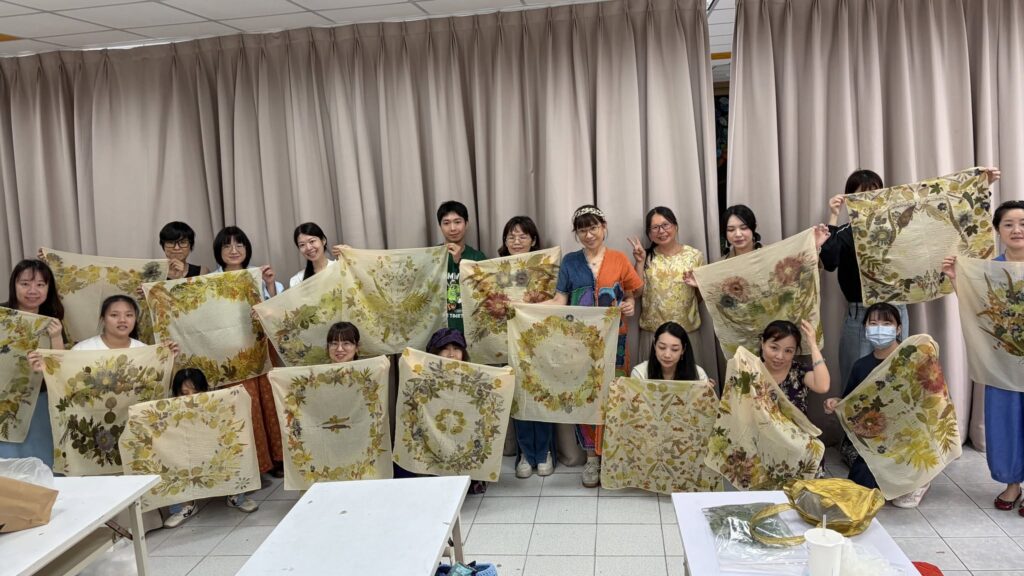


Botanical contact printing on cotton fabric involves more than just placing leaves on the cloth and steaming it.
The true key to ensuring the stability of the piece, the clarity of the leaf veins, and the layering of colors actually lies in the “mordanting” process.
In this practical workshop on cotton mordanting, we will focus our observations on three key mordanting approaches: aluminum acetate (AA), magnesium mordanting, and titanium oxalate (TO).
Magnesium mordanting yields color results that are notably soft, clean, and nuanced. Unlike iron or copper, which drastically alter the hue, magnesium produces gentler tonal gradations on cotton—making it ideal for achieving low-saturation, misty effects, soft backgrounds, and natural transitions. When the goal is to avoid a heavy or muddy look while preserving the quiet, layered quality of botanical dyeing, magnesium is a mordanting option well worth exploring.
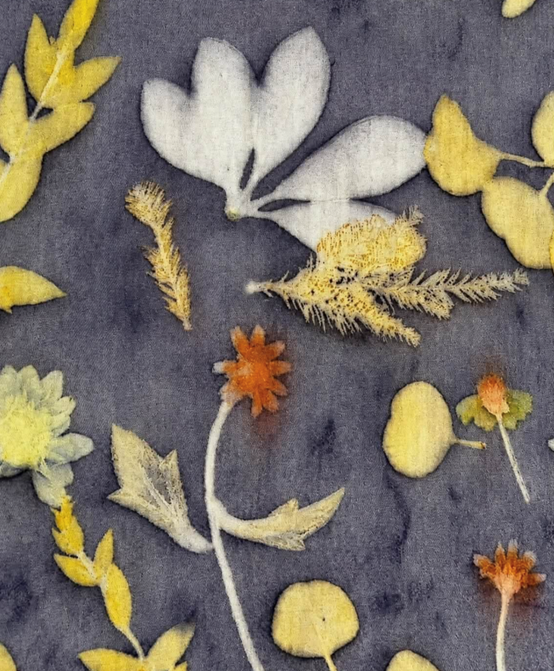
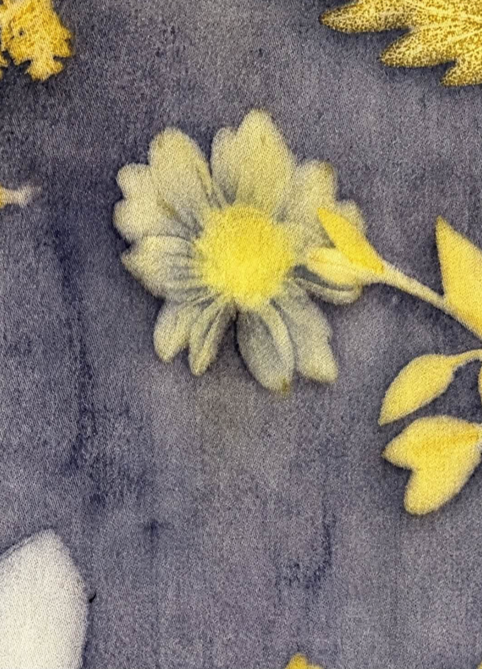
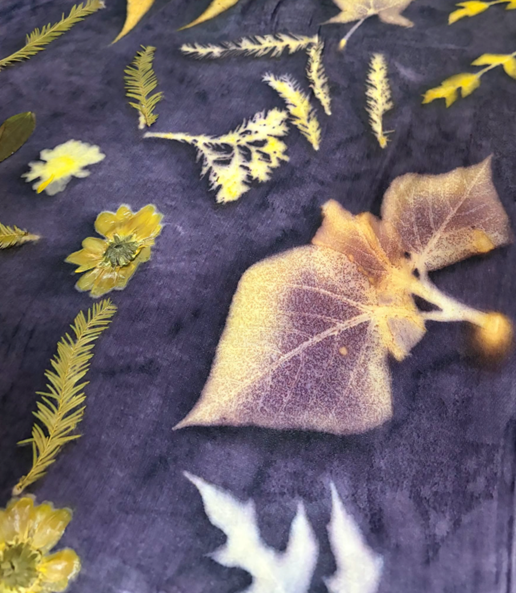
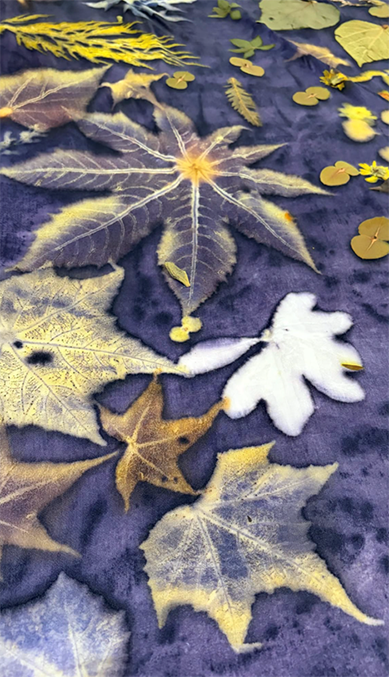
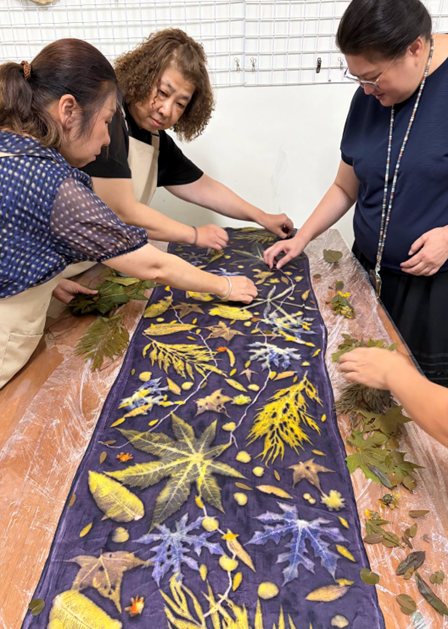
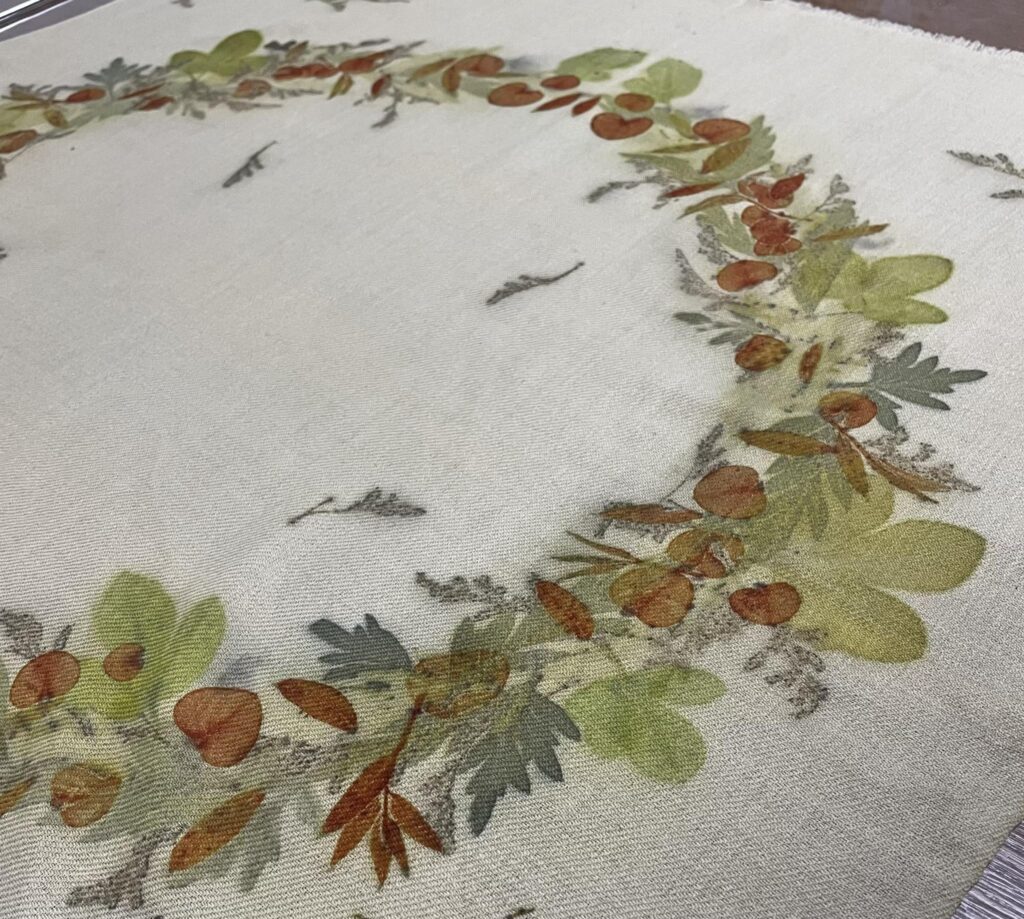
Titanium oxalate (TO) produces distinctive warm-toned reactions. When titanium interacts with tannins in plant matter, it often yields shades of orange, ochre-orange, and warm brown—making it particularly effective for revealing the color variations of high-tannin foliage and eucalyptus species. It introduces a warm-toned aesthetic to cotton textiles that differs from the iron-gray, copper-green, and aluminum-yellow hues produced by other mordants.
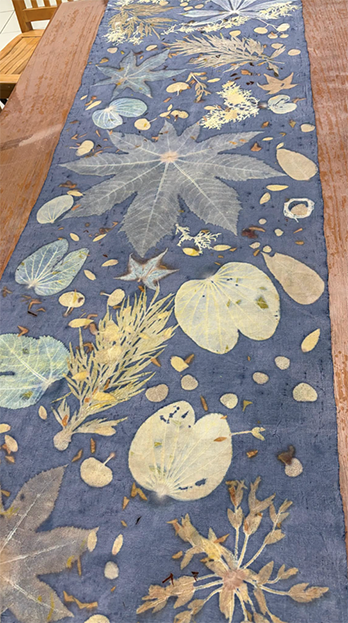
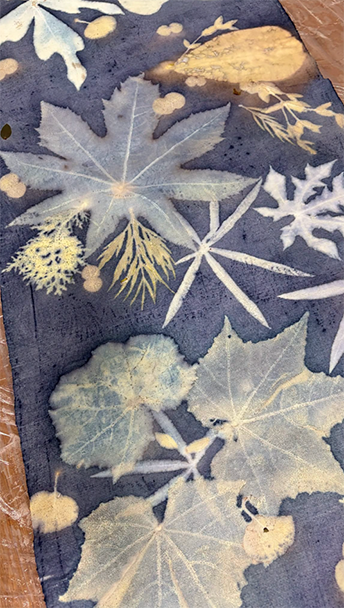
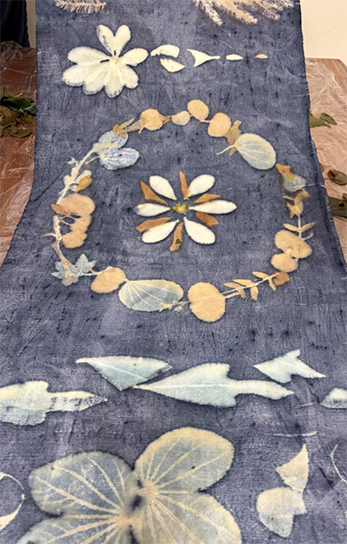
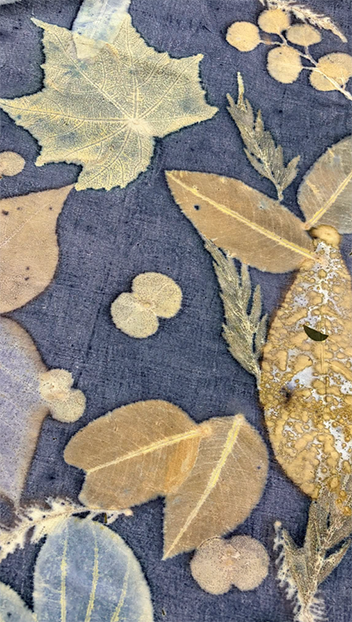
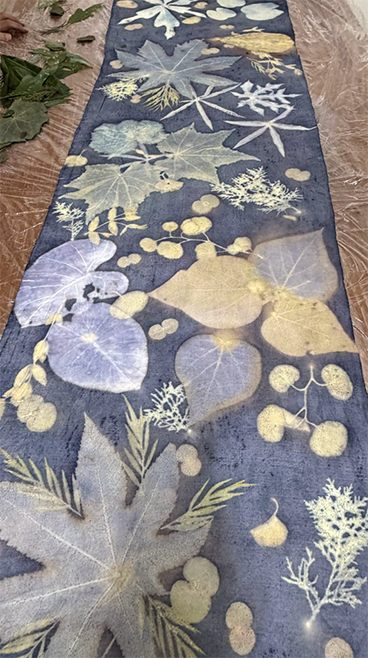
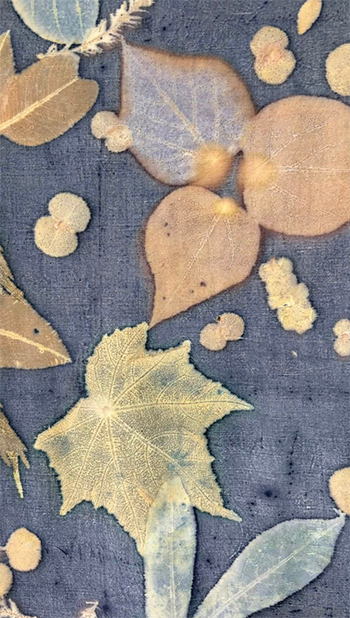
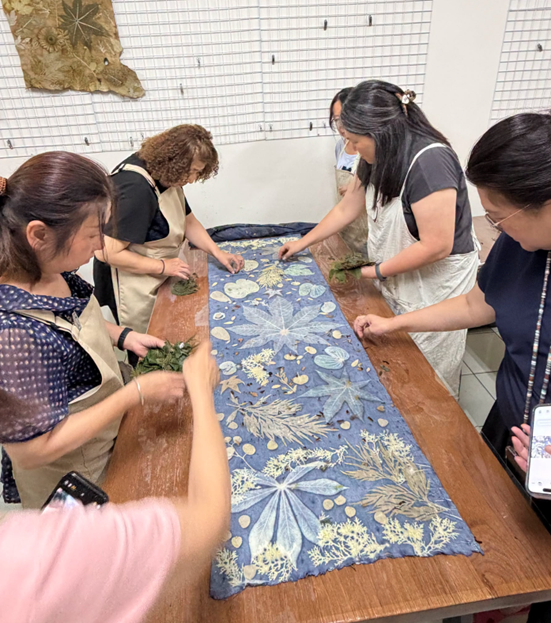
Aluminum acetate (AA) is a crucial foundational mordant for botanical contact printing on cotton fabric. It facilitates a more stable bond between plant pigments and cotton fibers, resulting in clearer leaf shapes, vein details, and impressions, while preventing the design from blurring into indistinct patches of color. For those looking to establish a reliable workflow, AA serves as a key starting point for understanding the mordanting system for cotton.
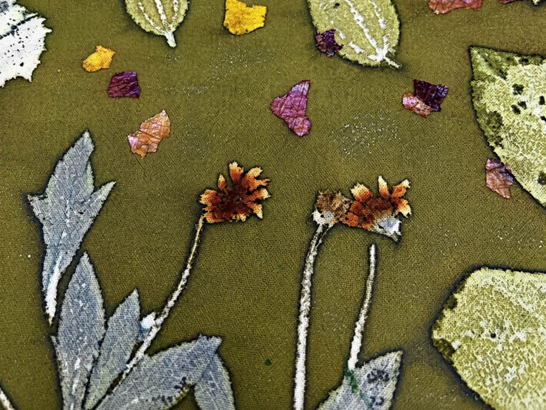
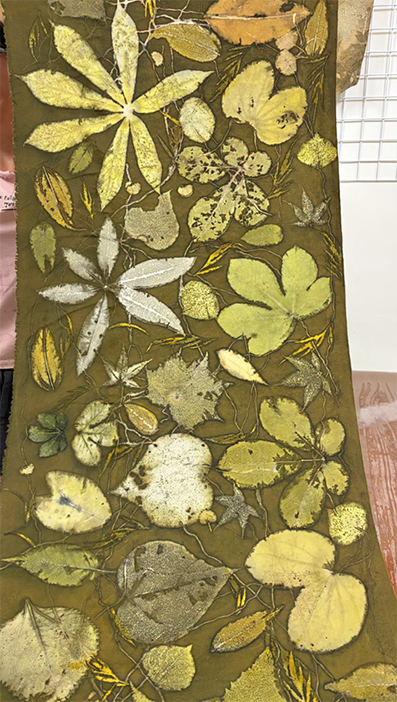
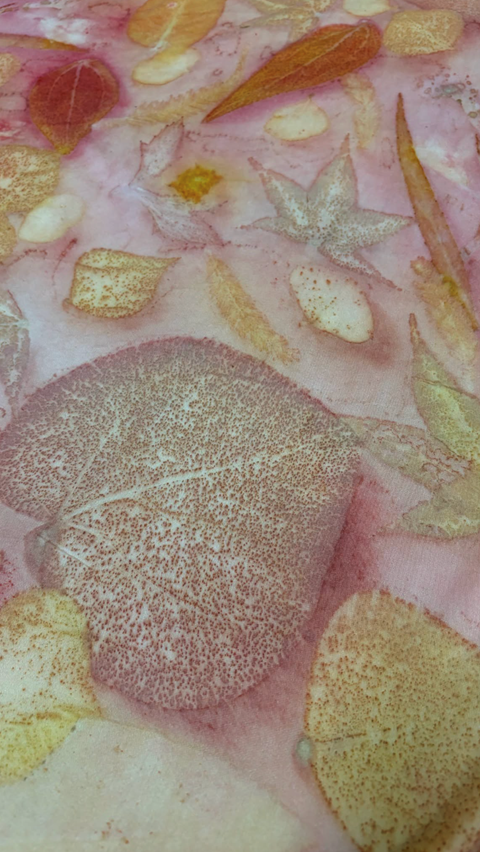
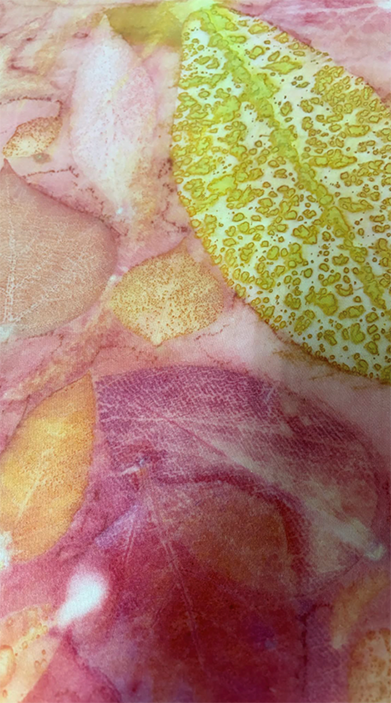
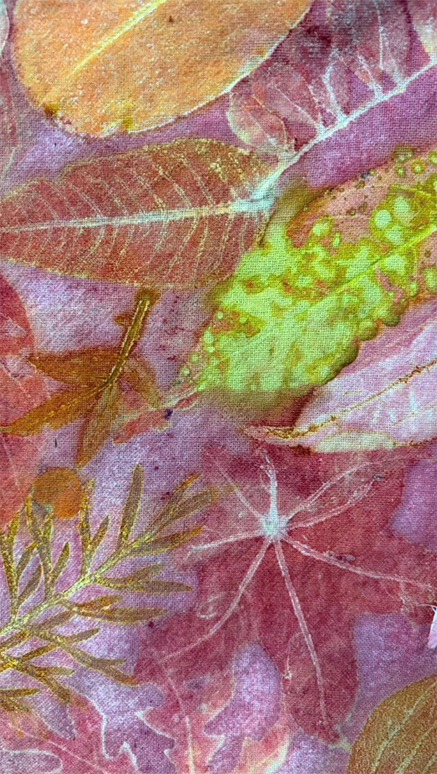
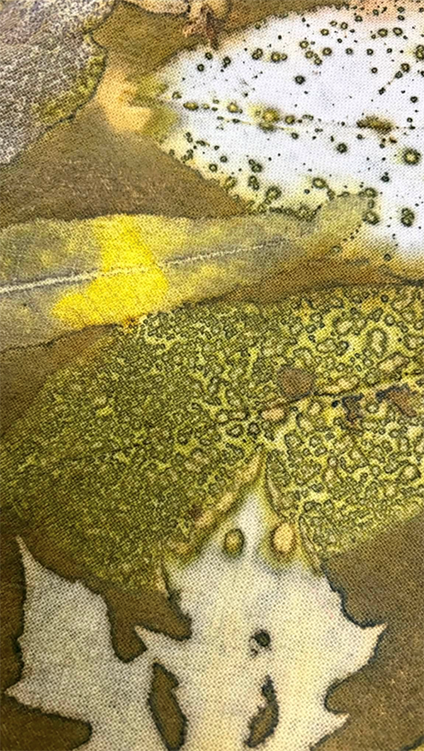
During the course, we look beyond the effects of individual mordants to observe how different plants interact with cotton fabric: some leaves yield distinct vein patterns, while others tend to create soft, blurred effects; some produce orange imprints, whereas others result in shades of grey-green, brown, or delicate, subtle tones. By exploring the interplay between mordants and plant materials, participants gain a clearer understanding of how varying treatment methods can produce vastly different color nuances on the same cotton fabric.
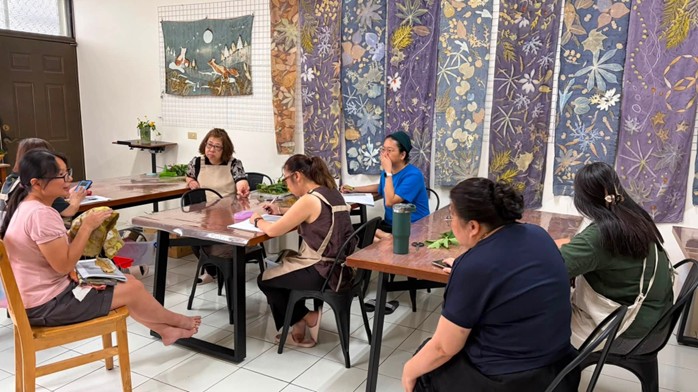
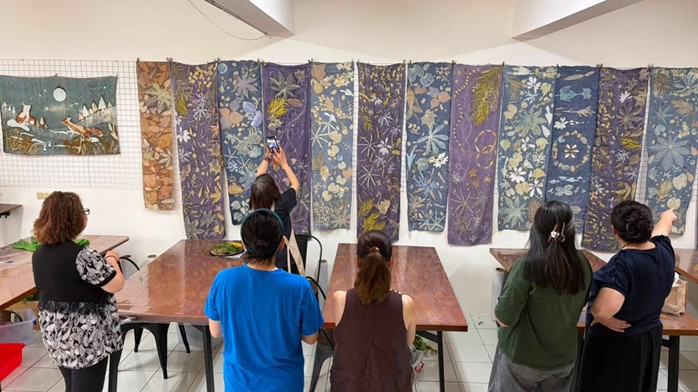
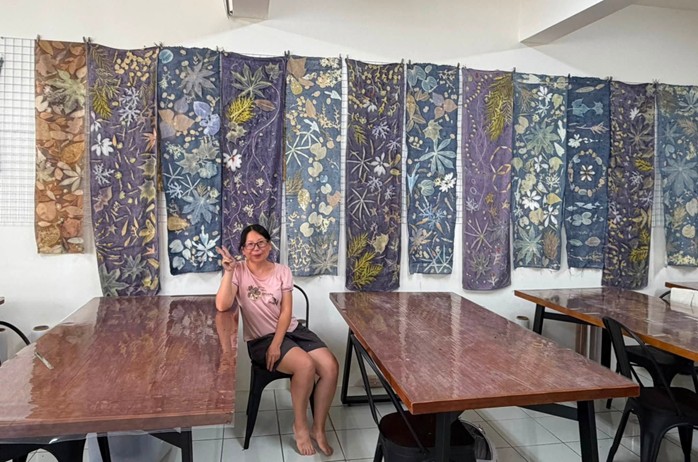
The goal of this class is not merely to produce a single, fortuitous, and beautiful piece, but to cultivate a mindset for working with cotton mordants—one that enables you to evaluate, compare, and adjust your process. Moving from the clarity of aluminum acetate and the softness of magnesium to the orange hues yielded by titanium, you will transform your approach to botanical contact printing on cotton from a process of mere trial and error into one where you truly understand the chemistry, can fine-tune the results, and achieve consistent, reliable outcomes.