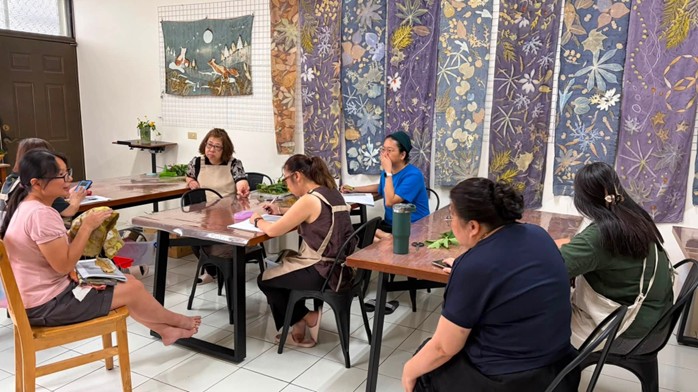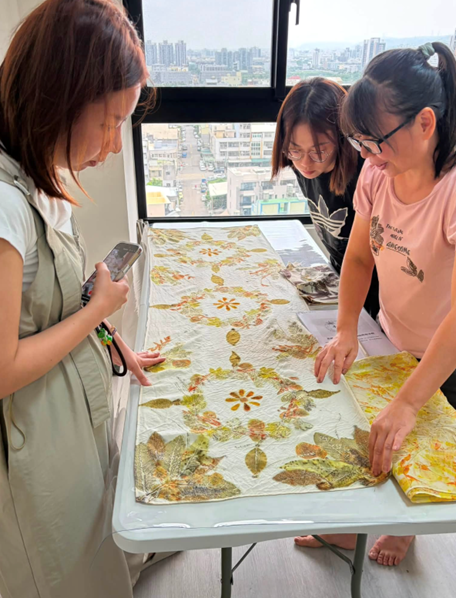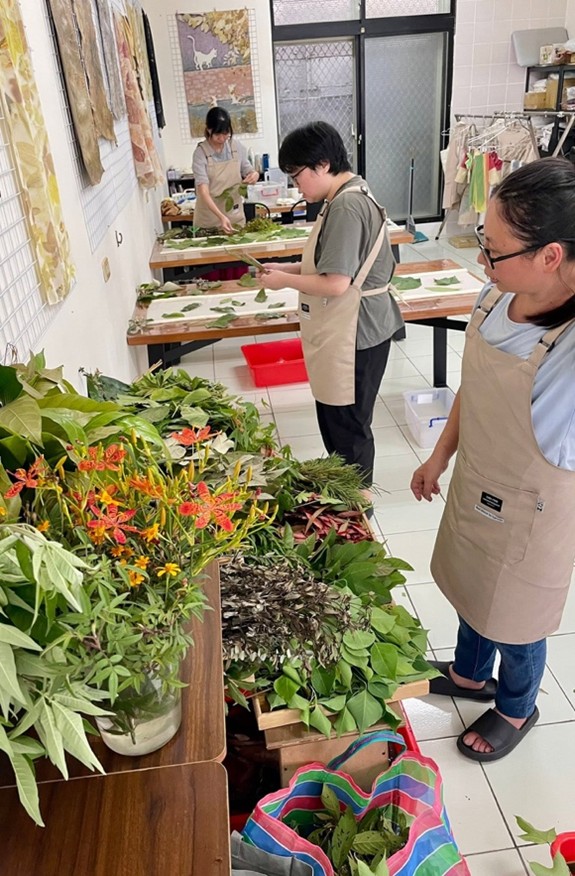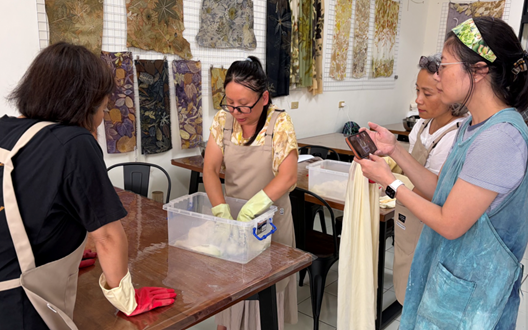


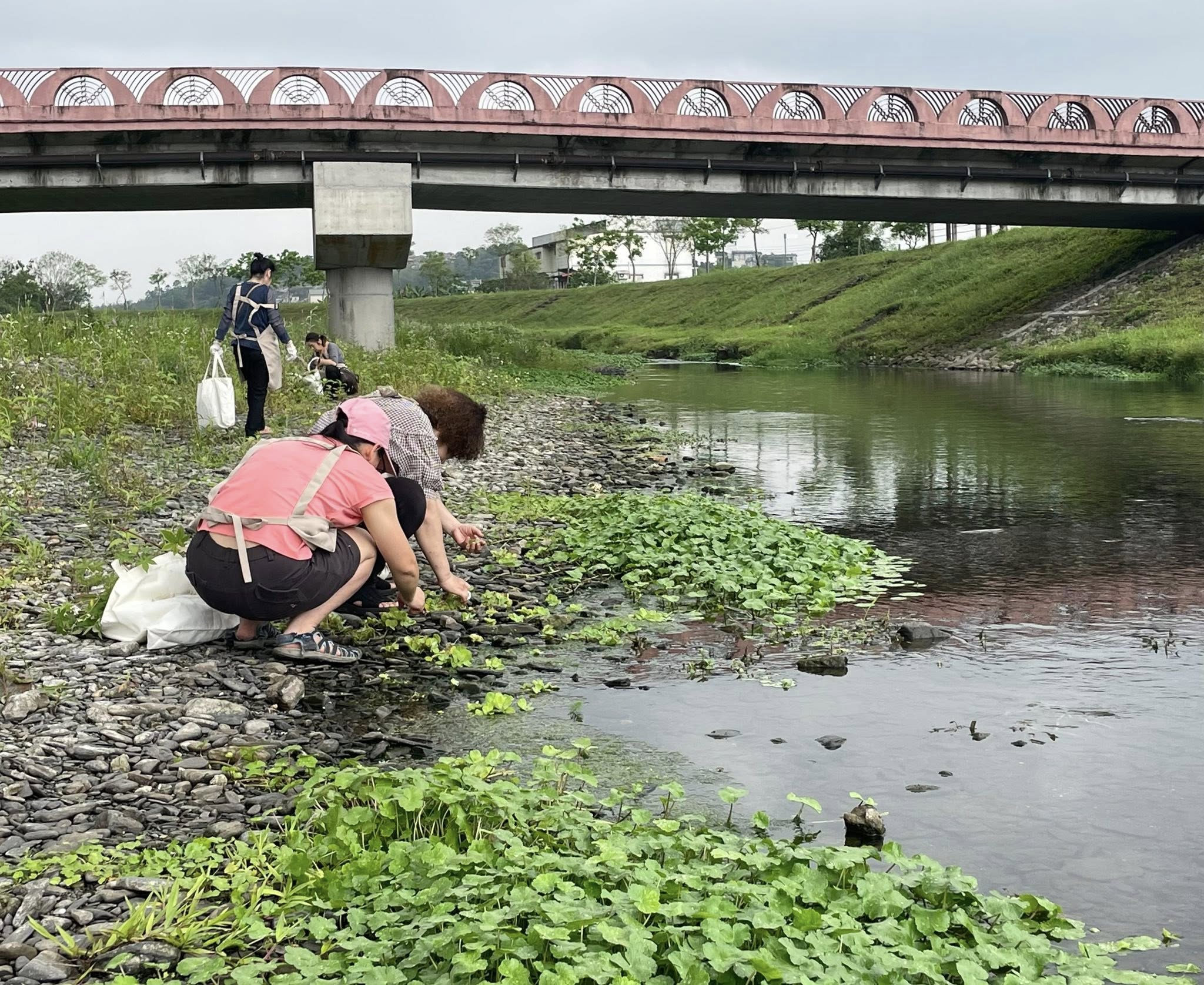
The two-day basic course on floral and foliate dyeing was not just about completing a piece of work. It involved a thorough and step-by-step process, from the initial plant collection and leaf identification to leaf arrangement design, mordant application, wrapping and steaming, and finally unpacking.
I paid close attention to every detail in the course. Because the truly fascinating aspect of foliage transfer dyeing is not just whether the finished product is beautiful, but that in the process, you gradually understand the characteristics of plants, the expression of leaf veins, the differences between mordants, and the reasons behind every change on the fabric.
🌿From the very beginning of the collection process, it’s not just about picking a random leaf; it’s about getting to know the plant, observing the condition of the leaves, and determining which ones are suitable for showcasing texture and which ones can bring out better colors.
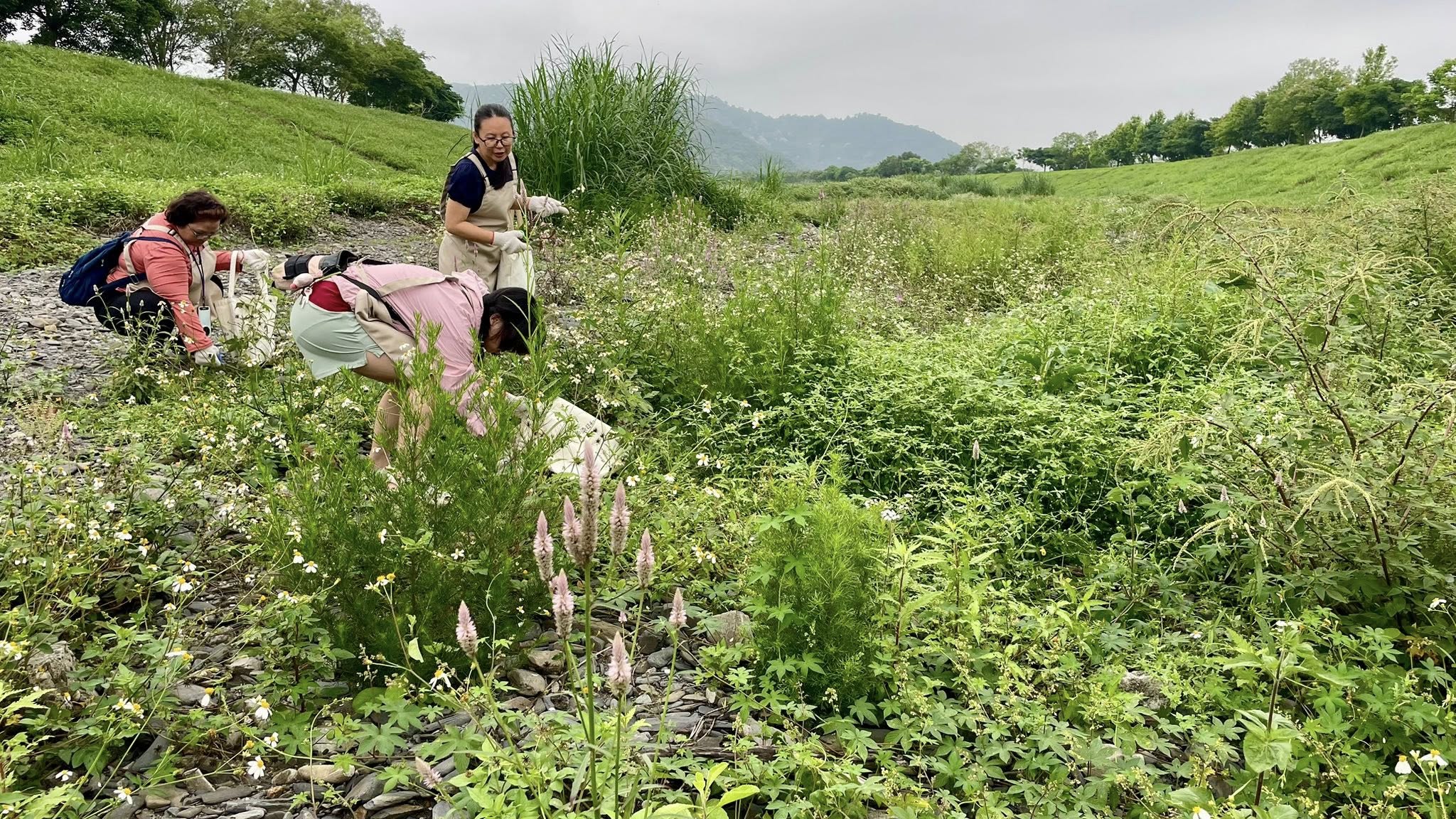
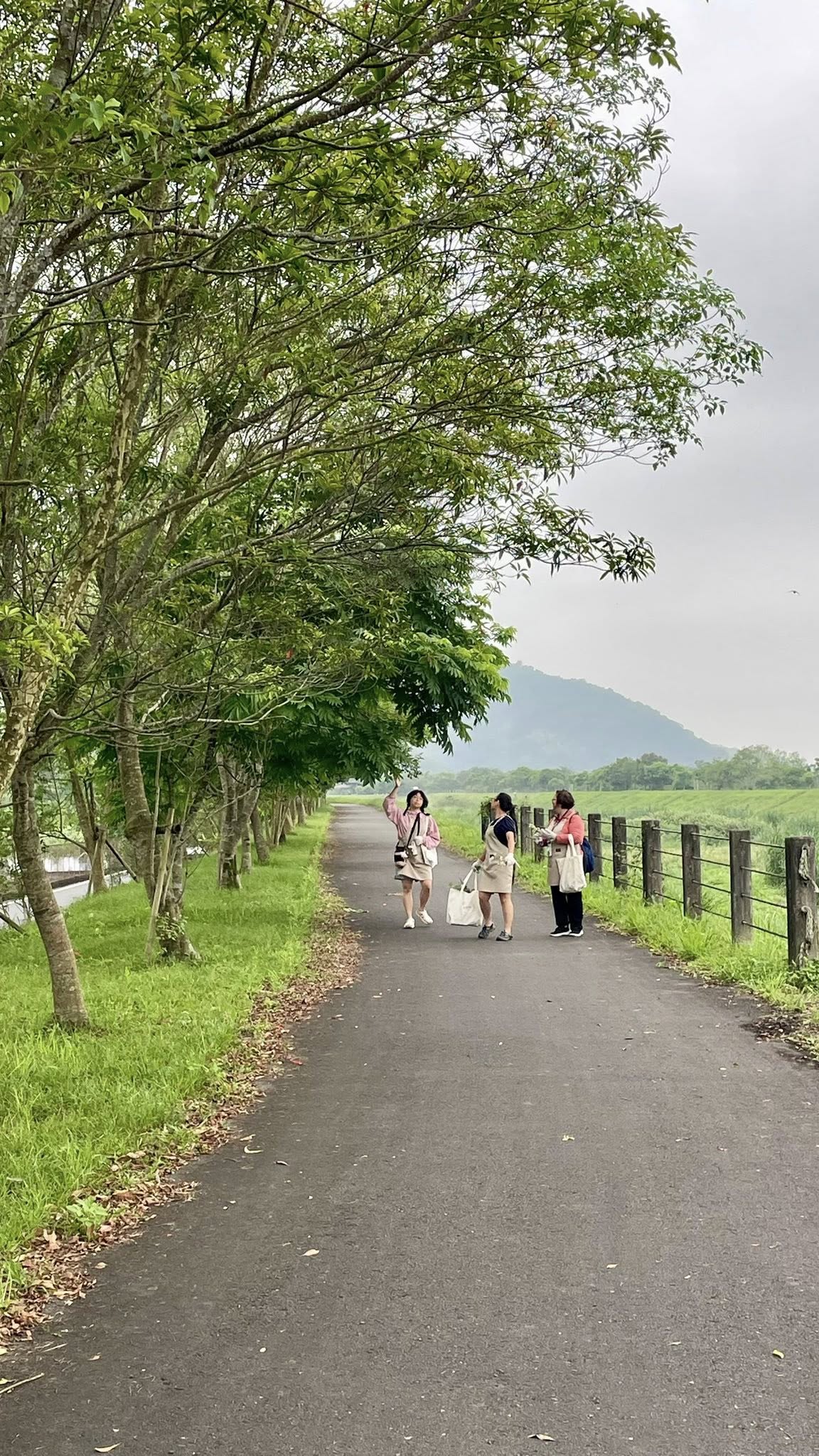
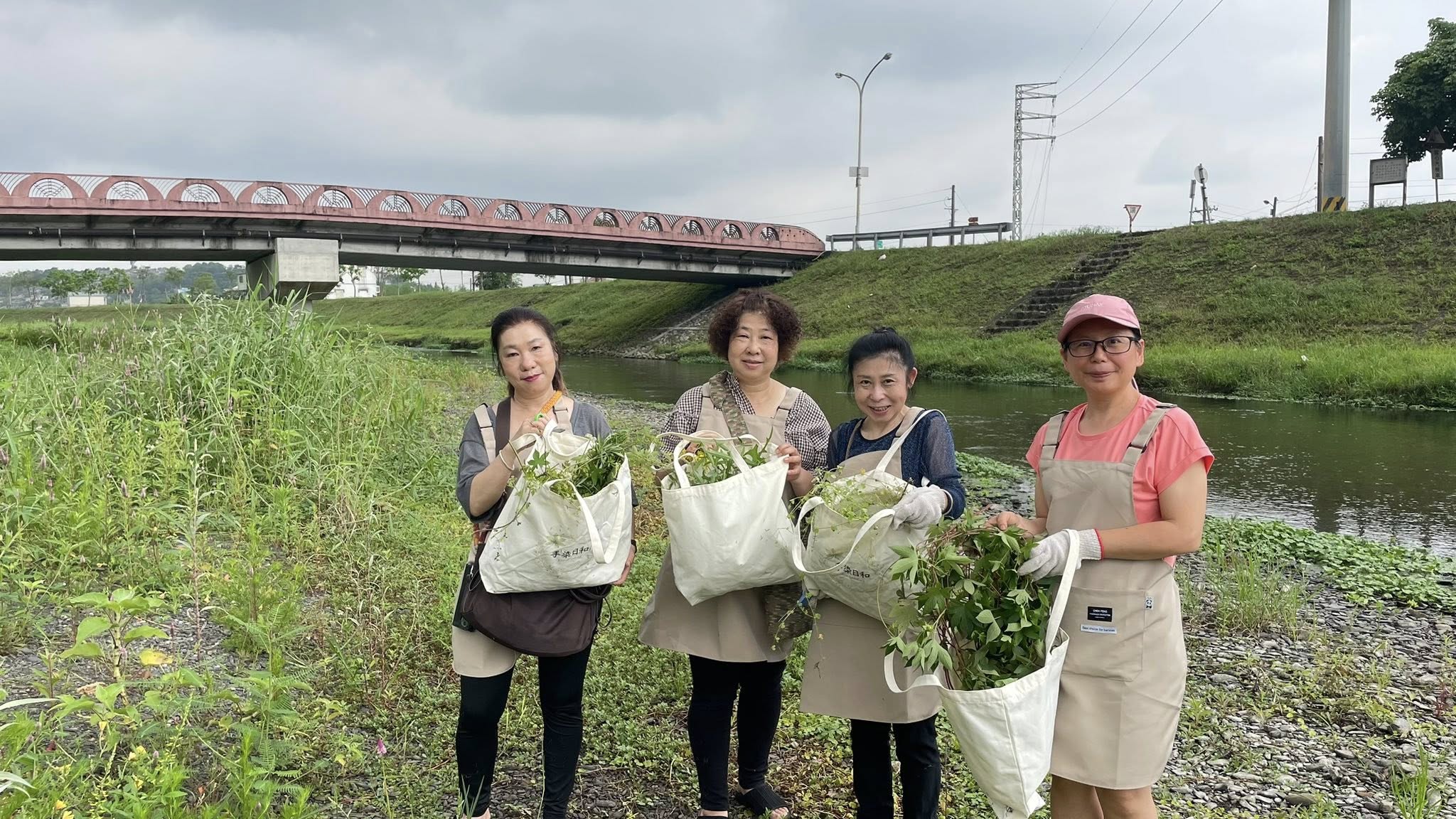
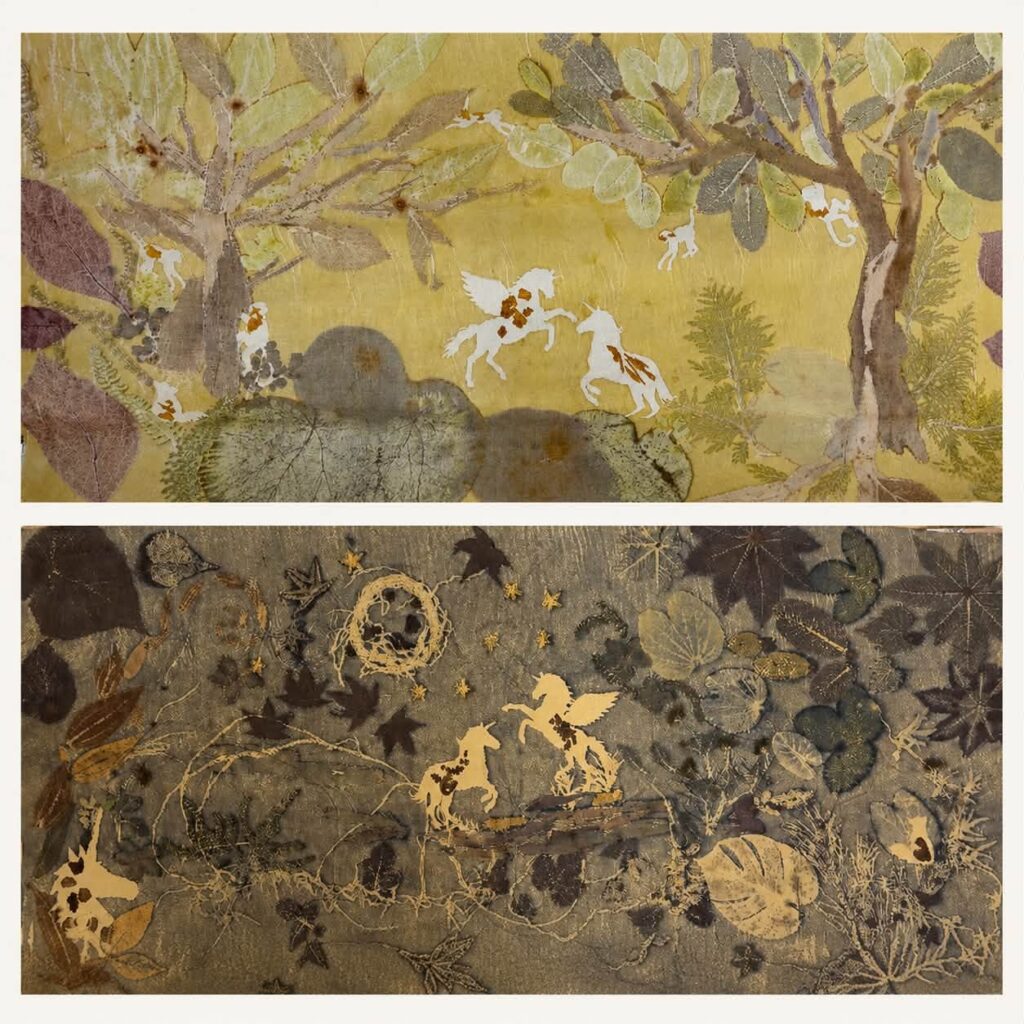
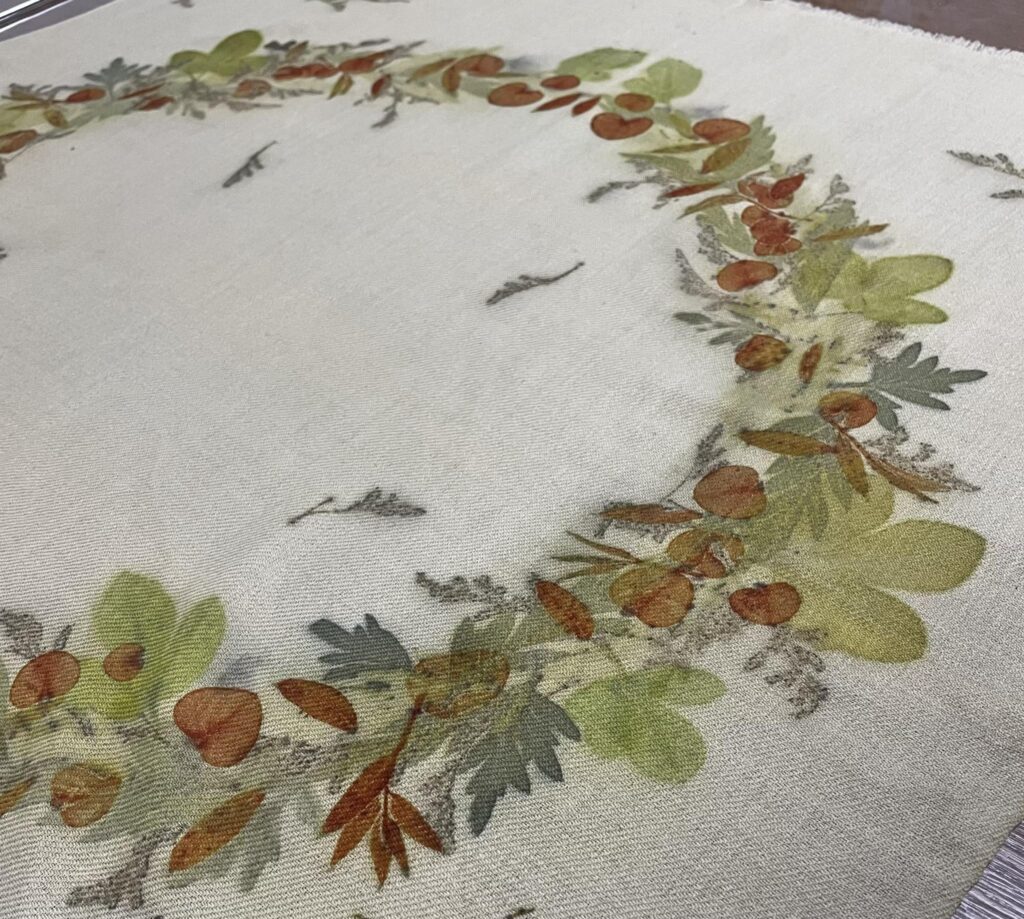
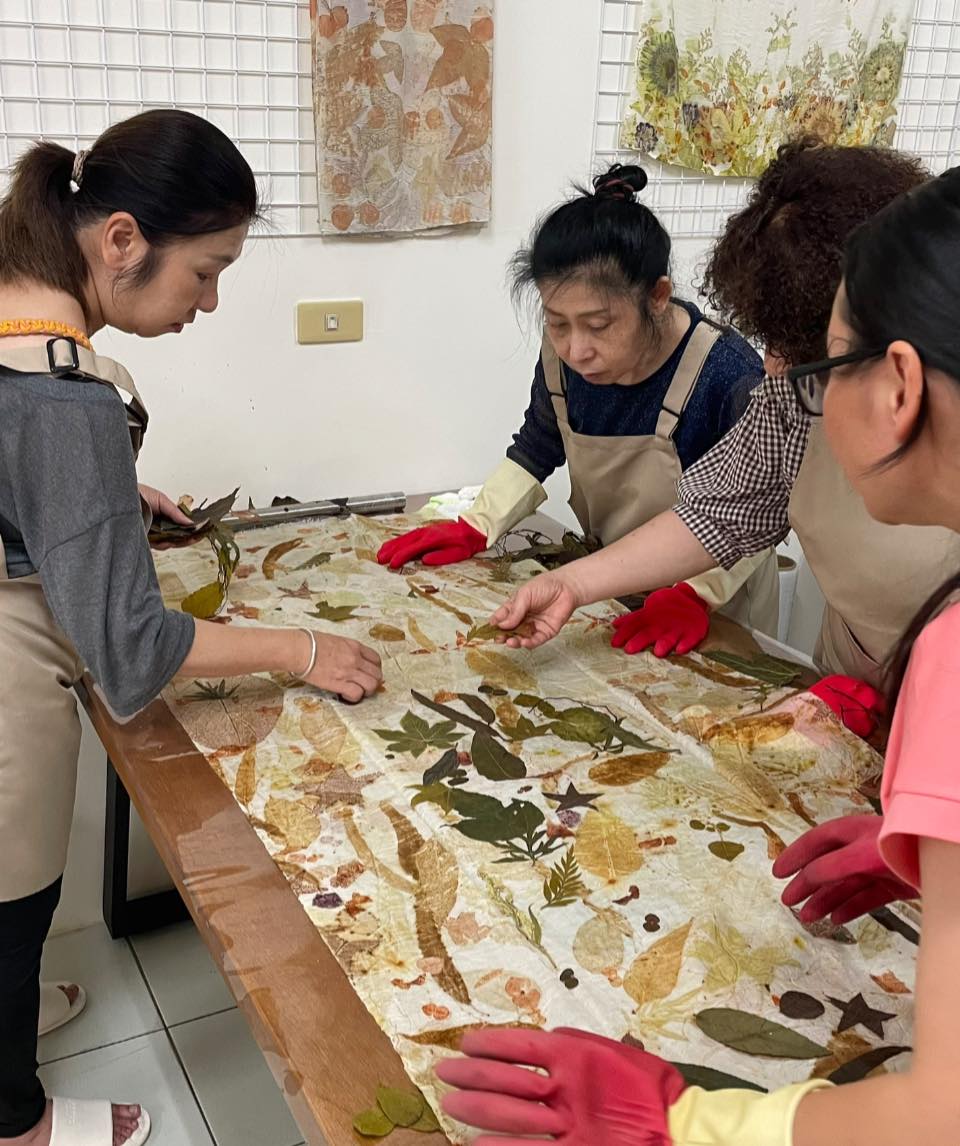
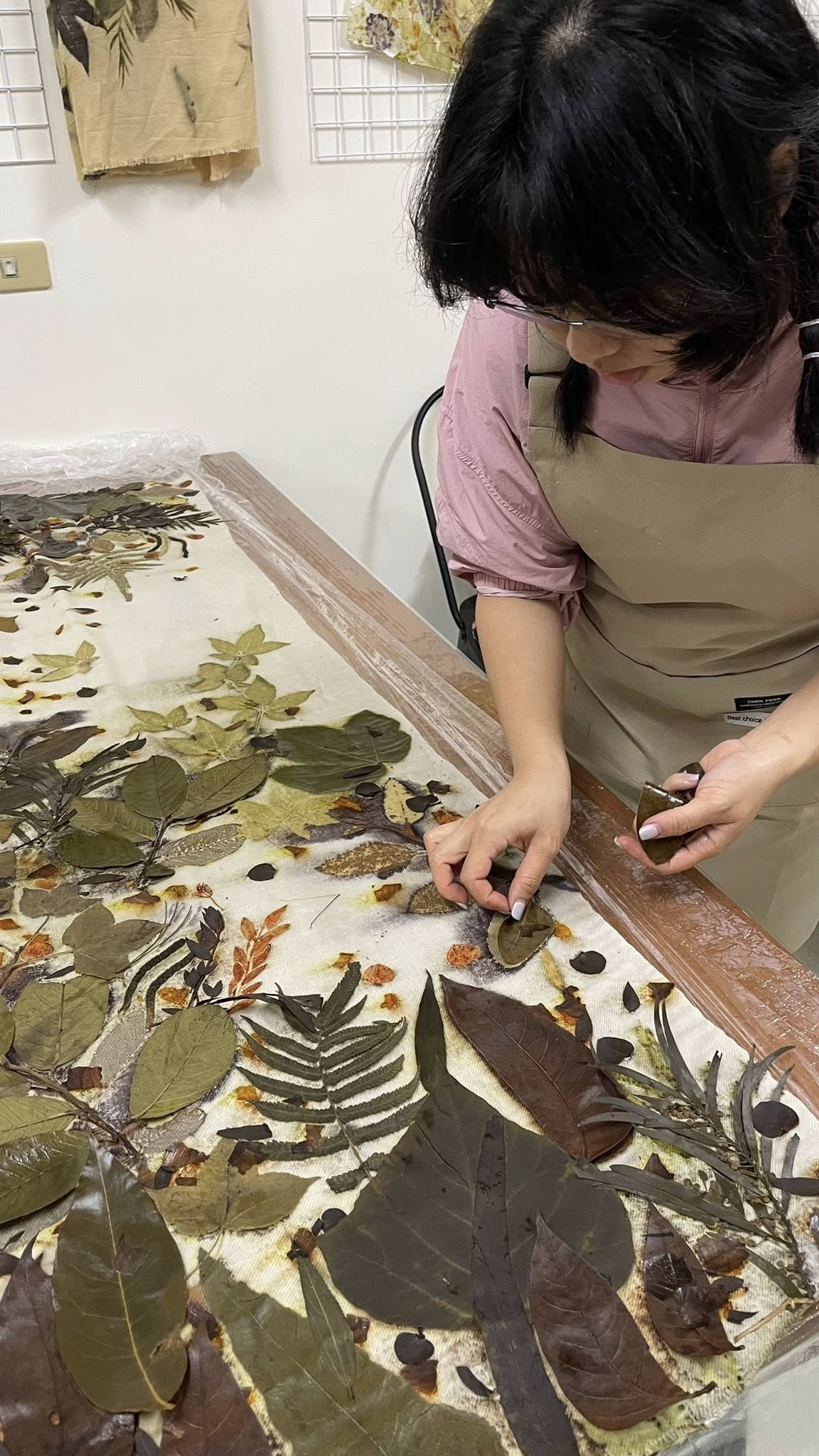
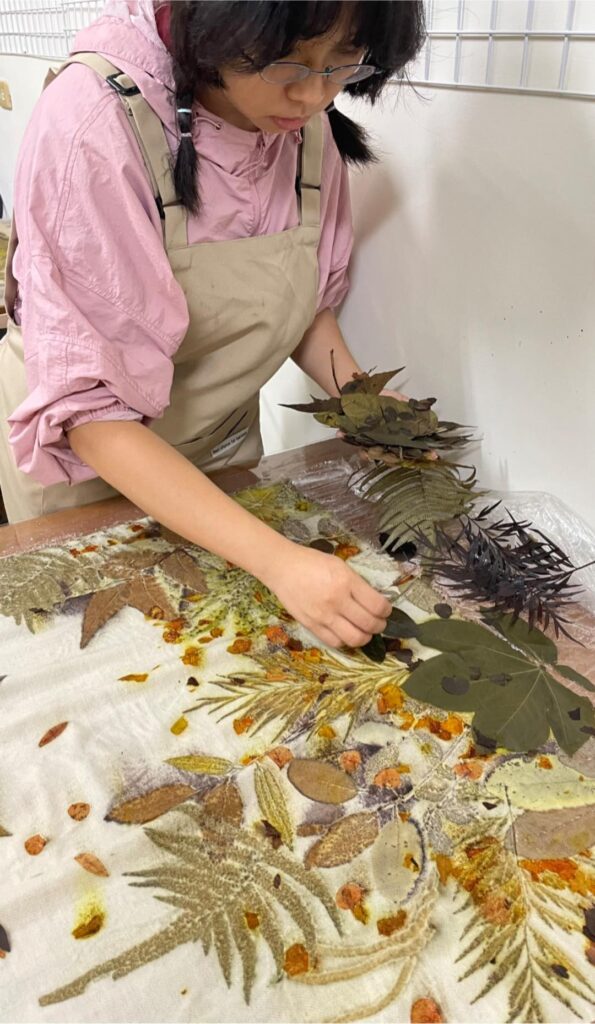
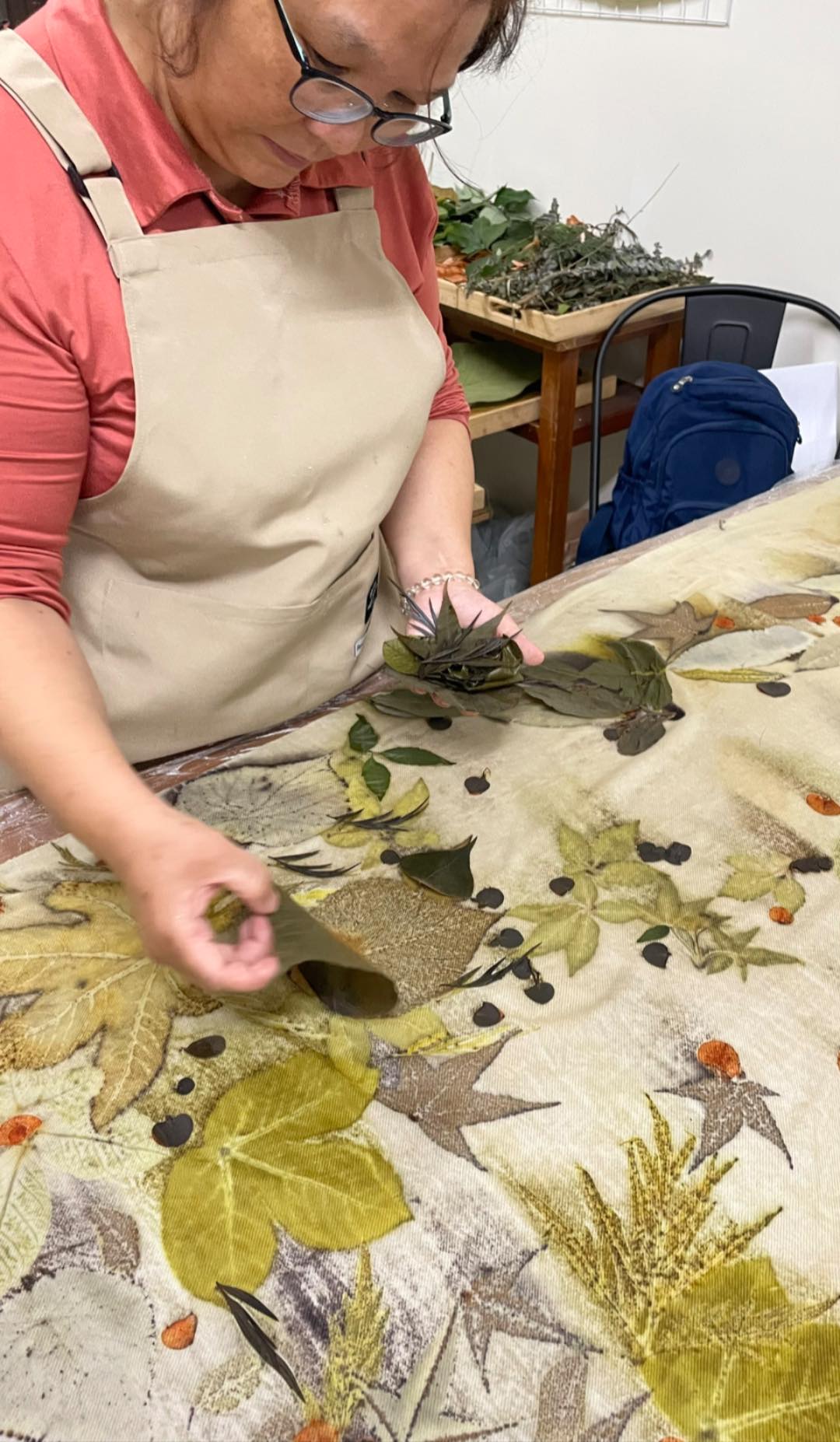
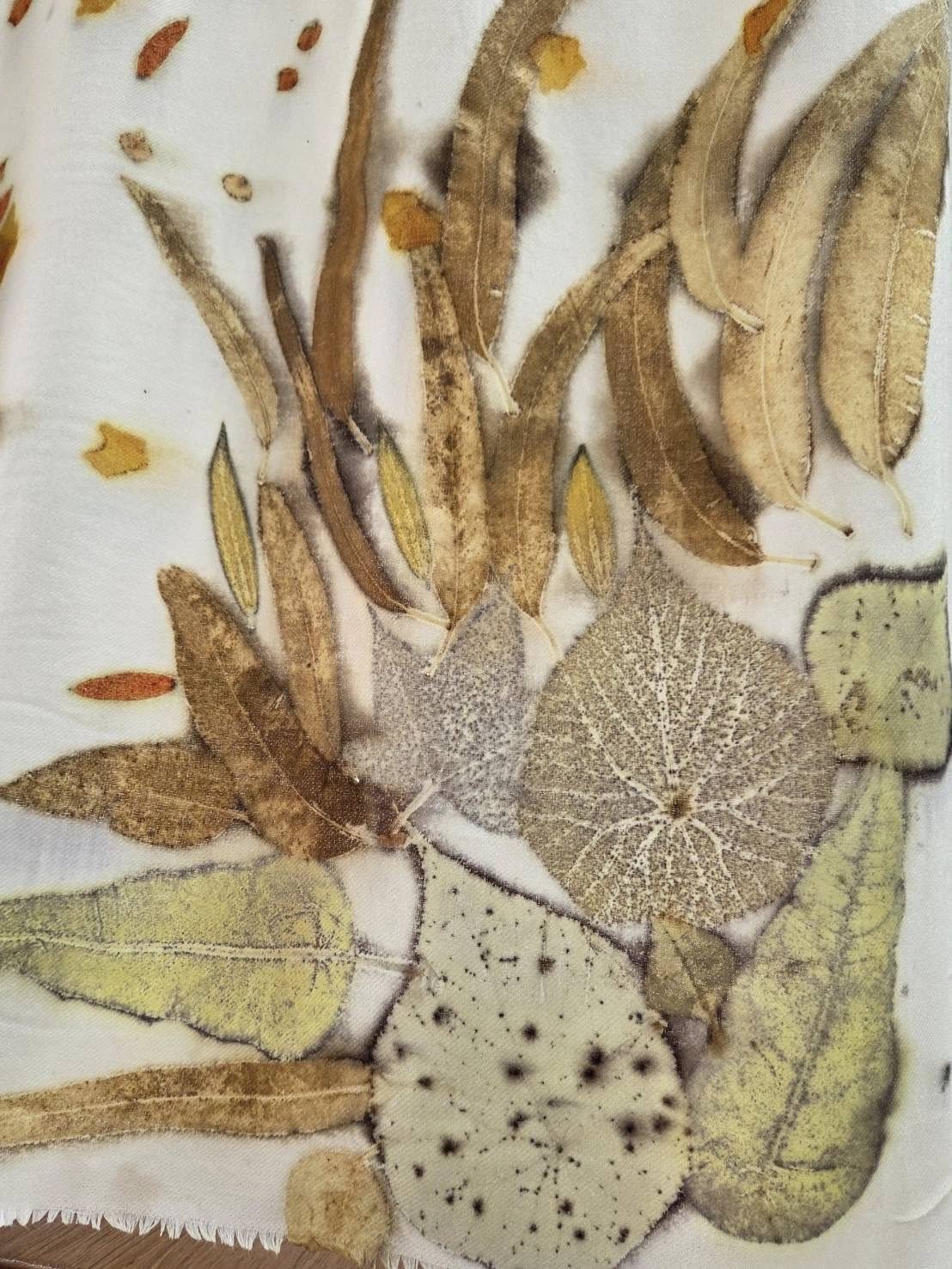
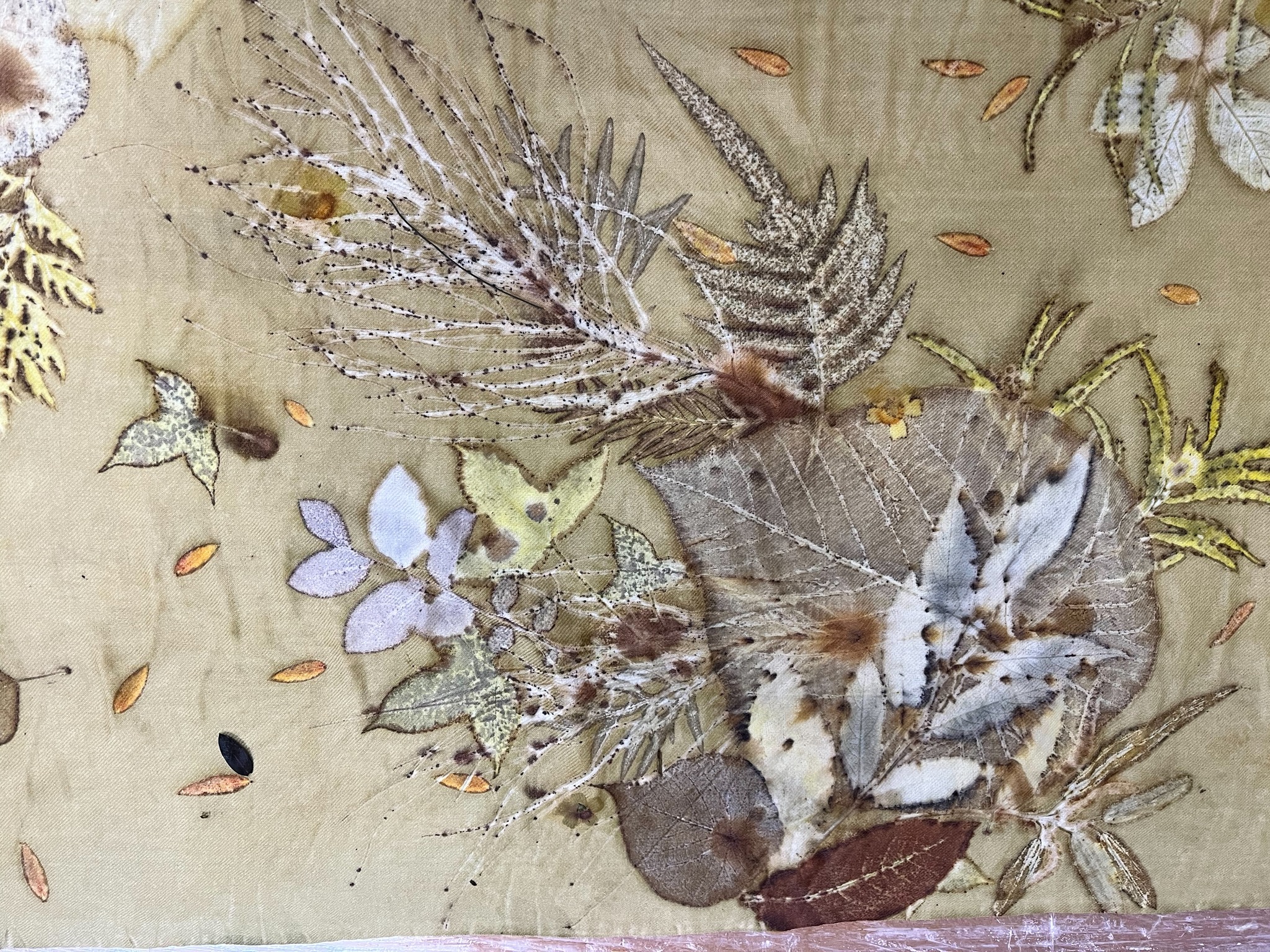
🌿After entering into the swing leaf design, you don’t just put the leaves on it, but you have to think about the direction of arrangement, the rhythm of density, the response relationship between the leaves, and the breathing feeling brought by the blank space. Some leaves are suitable for becoming the main body of the painting, while others are suitable for foil and extension. Through the arrangement of different sizes, shapes and positions, the layers, flow and storytelling of the work are slowly stacked up.
The arrangement of leaves is actually a natural picture arranged on the canvas. It seems quiet, but it tests observation and judgment.
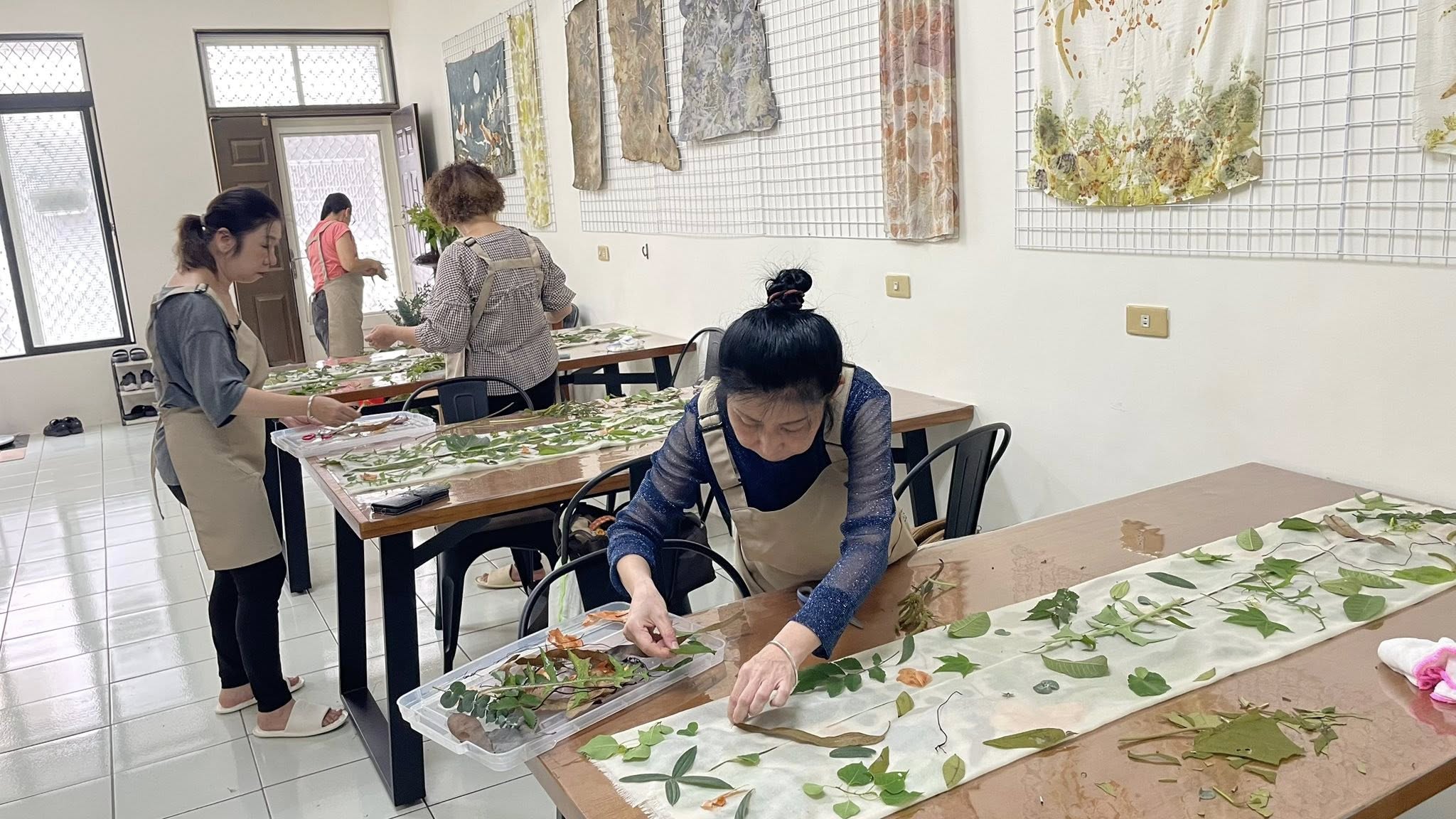
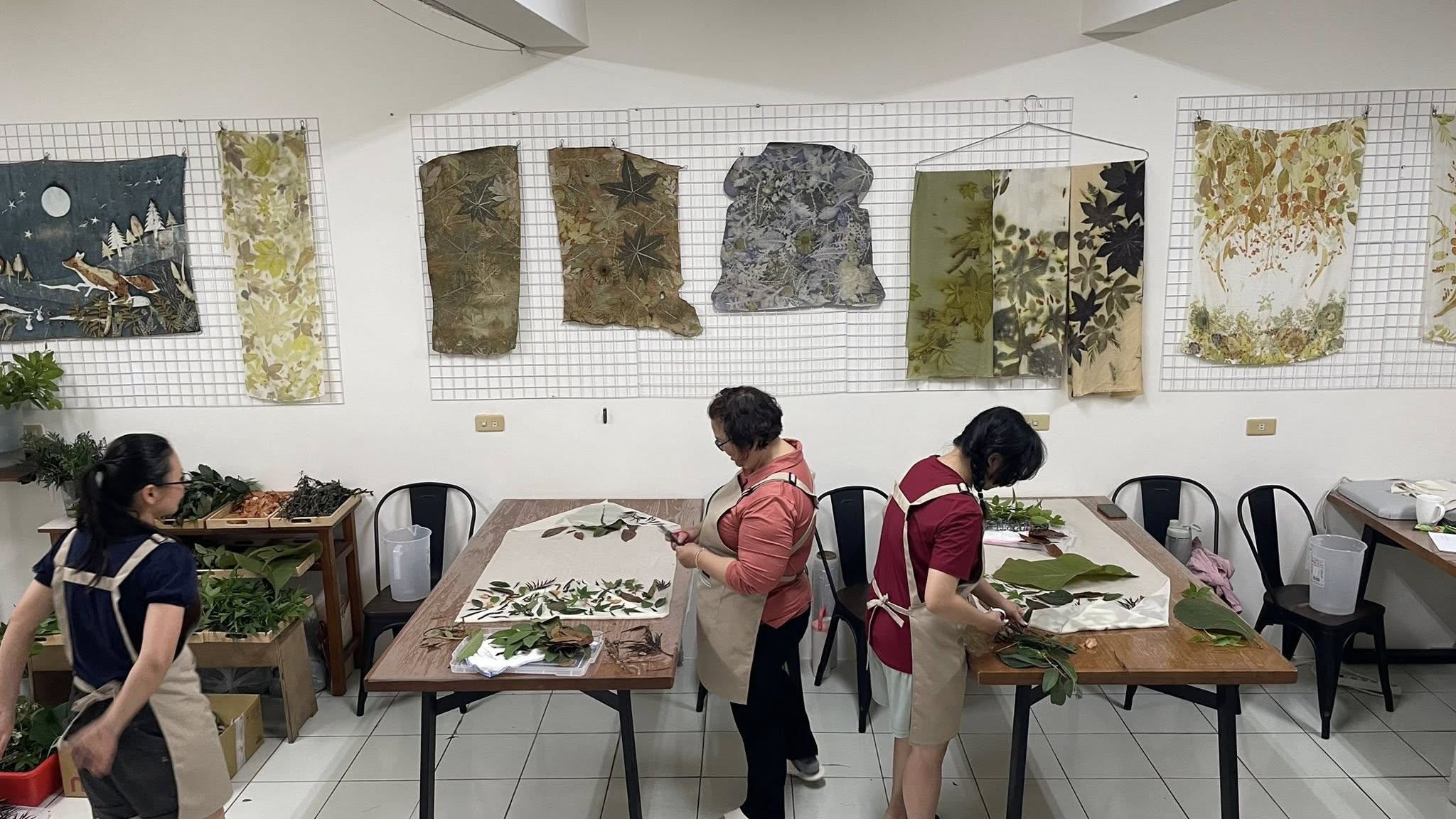
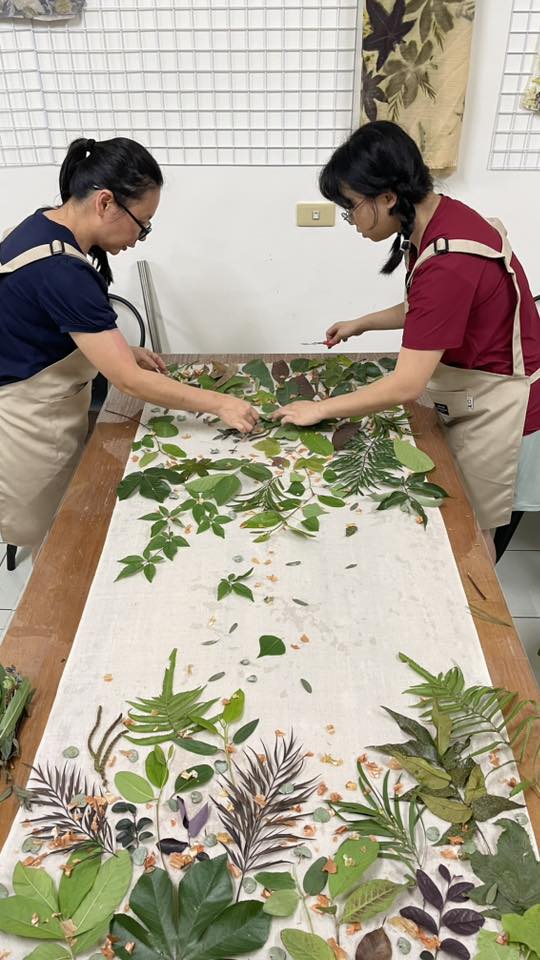
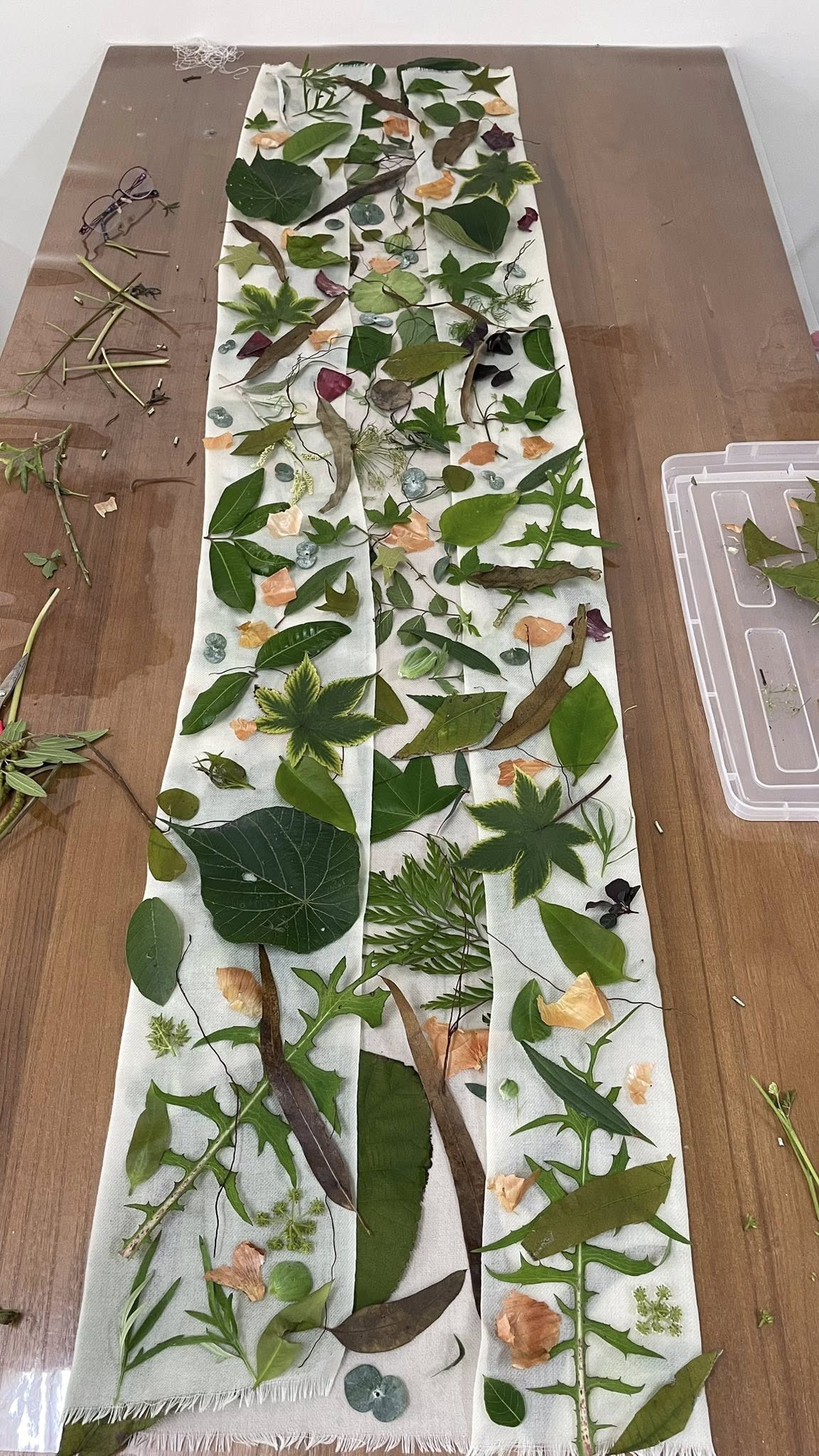
🌿When it comes to the stages of mordant dyeing and steaming, the focus of learning becomes even more obvious. Different processing methods will affect the presentation of color, outline and plant texture; and these seemingly subtle differences are often the key to whether the work is attractive or not.
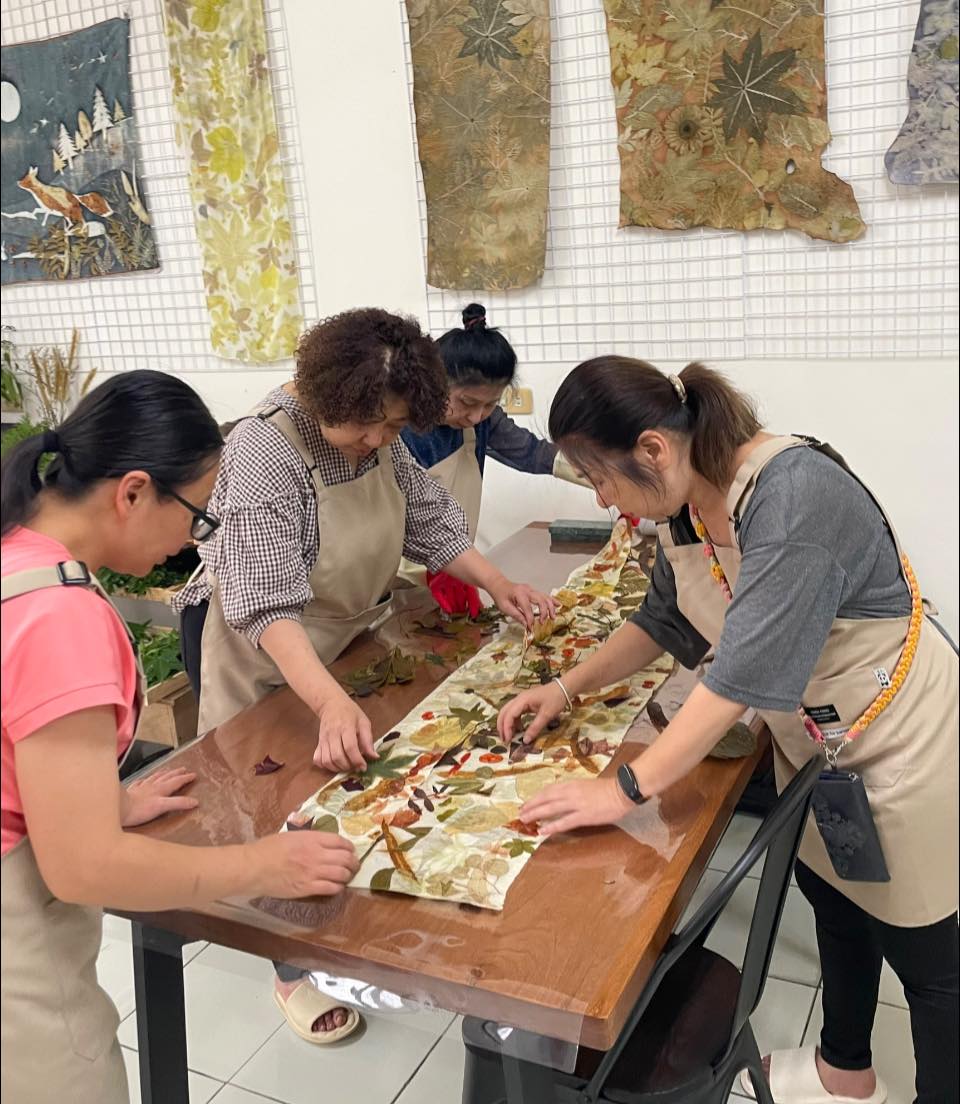
🌿I really hope that what students take away is not just the works from this class, but a true understanding of the logic of flower and leaf transfer dyeing, knowing why to do it this way and why to make adjustments that way, so that when they go back to create their own works, they will have more direction and better judgment.
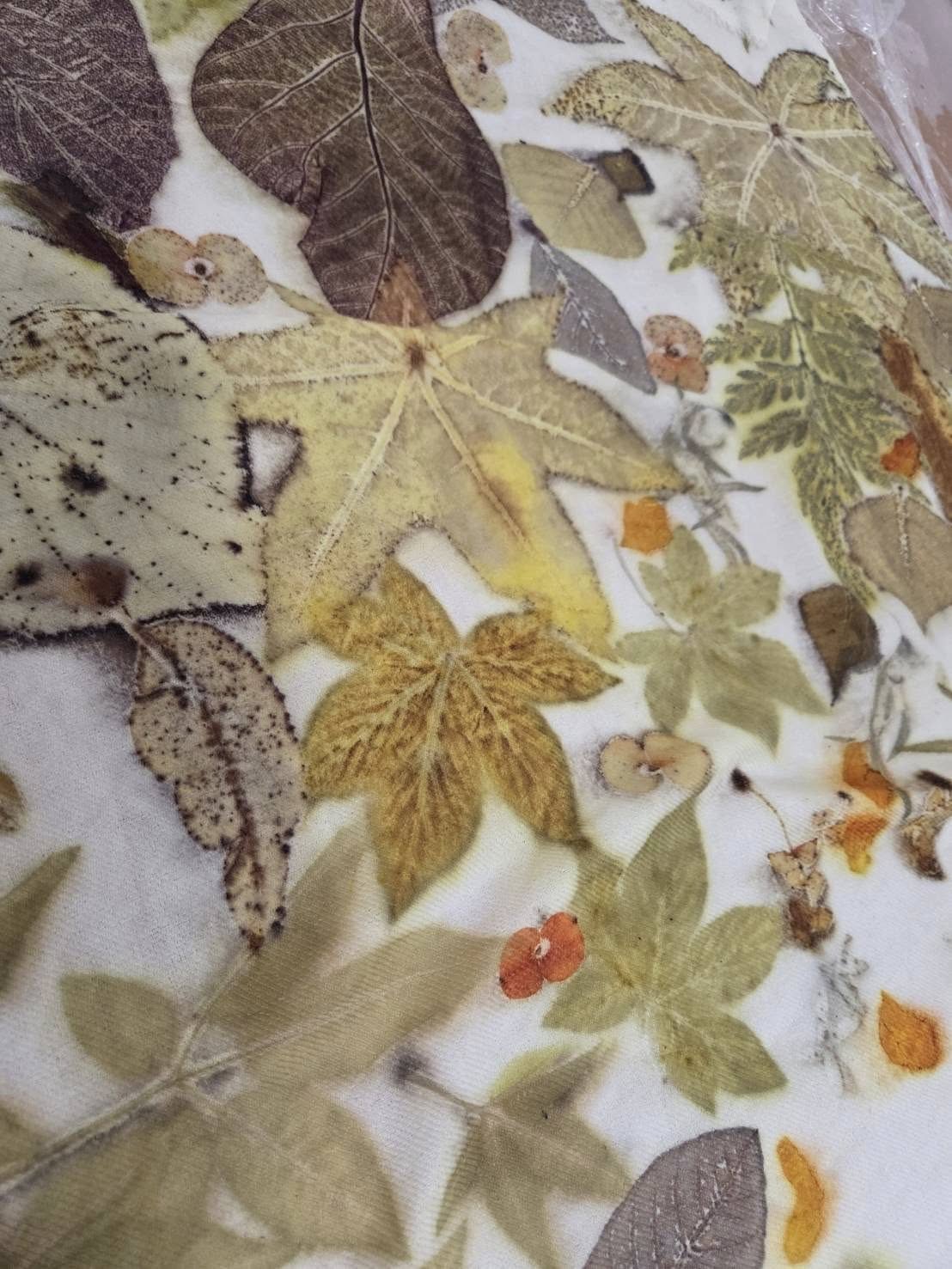
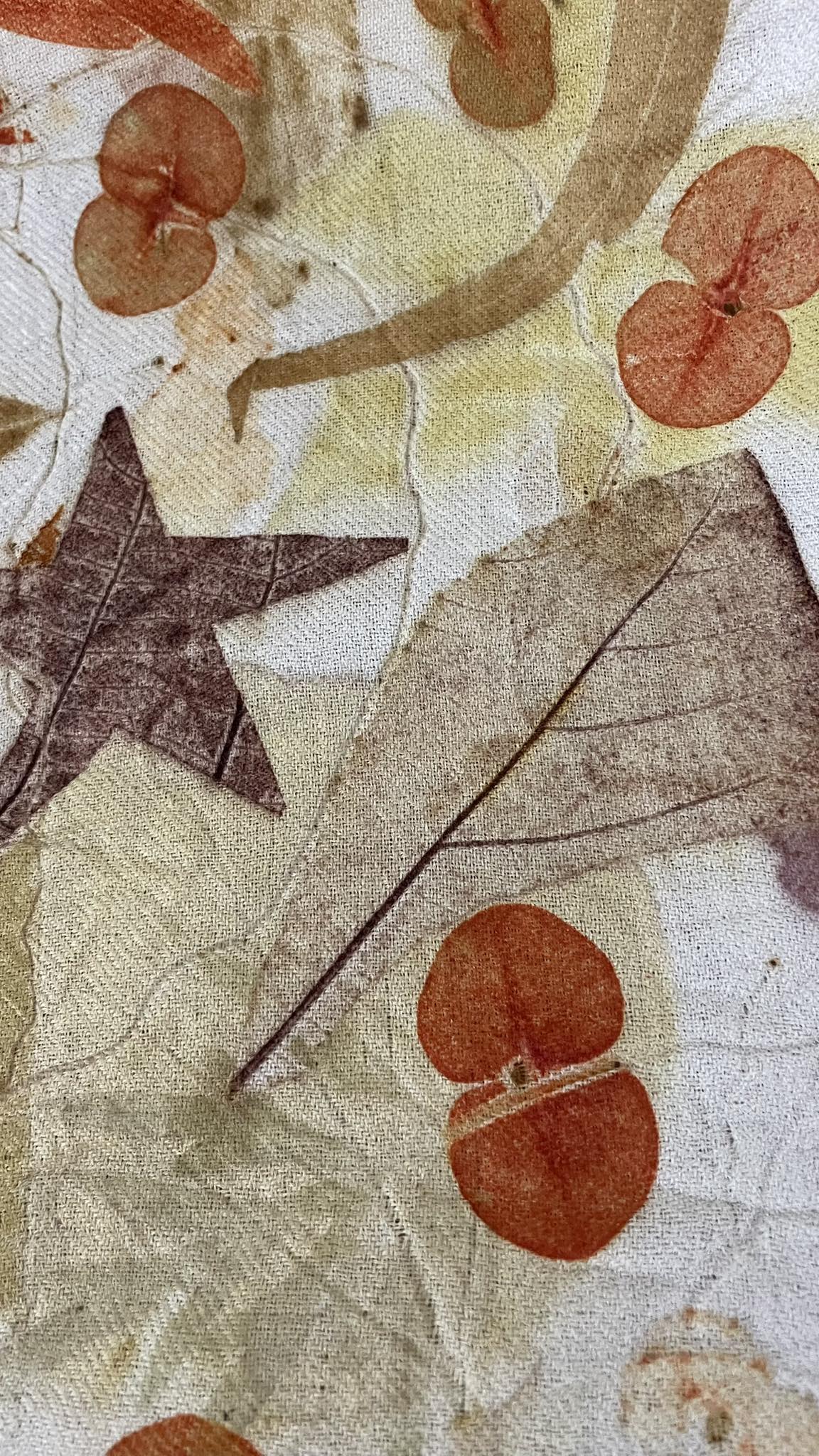
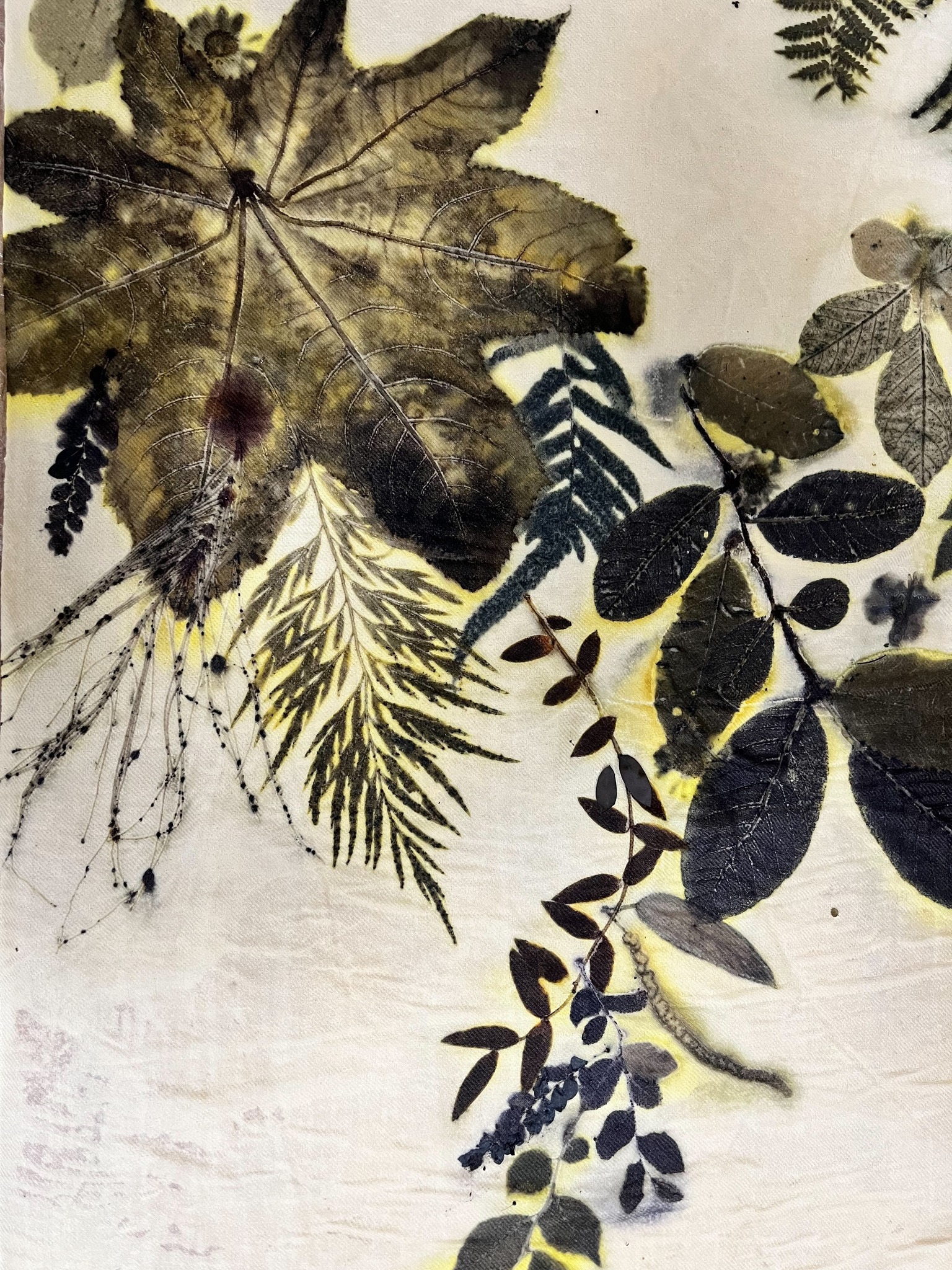
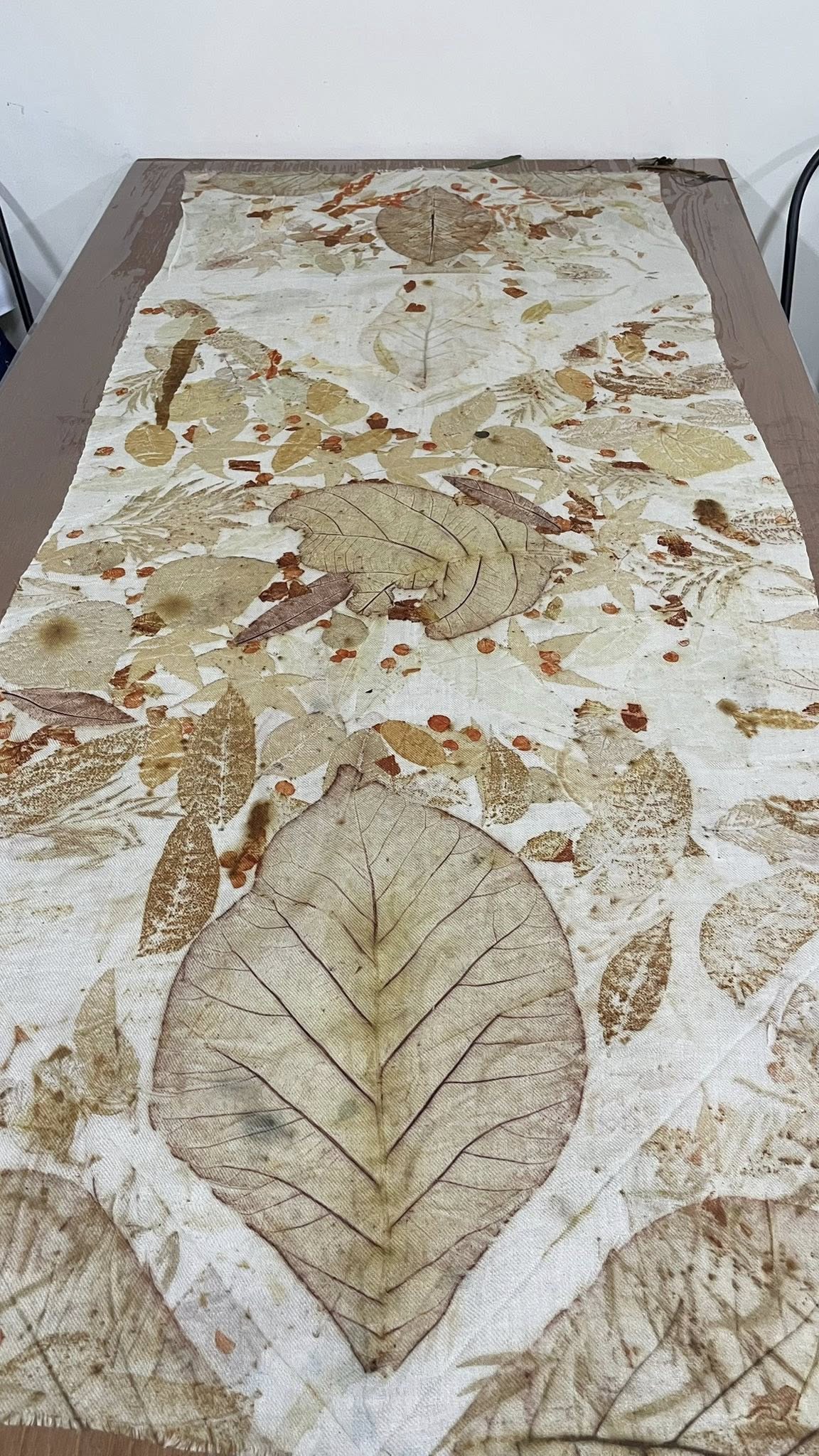
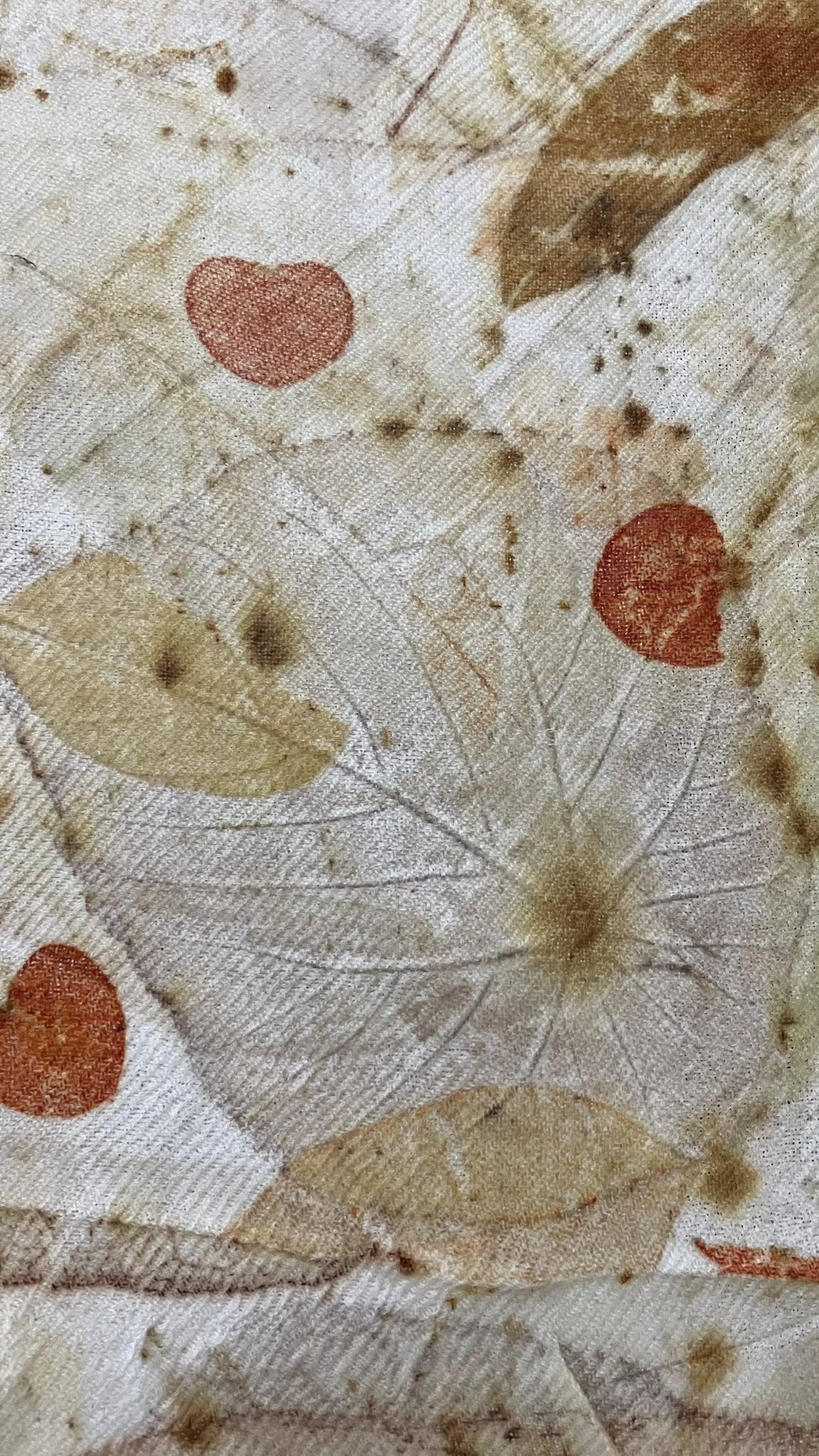
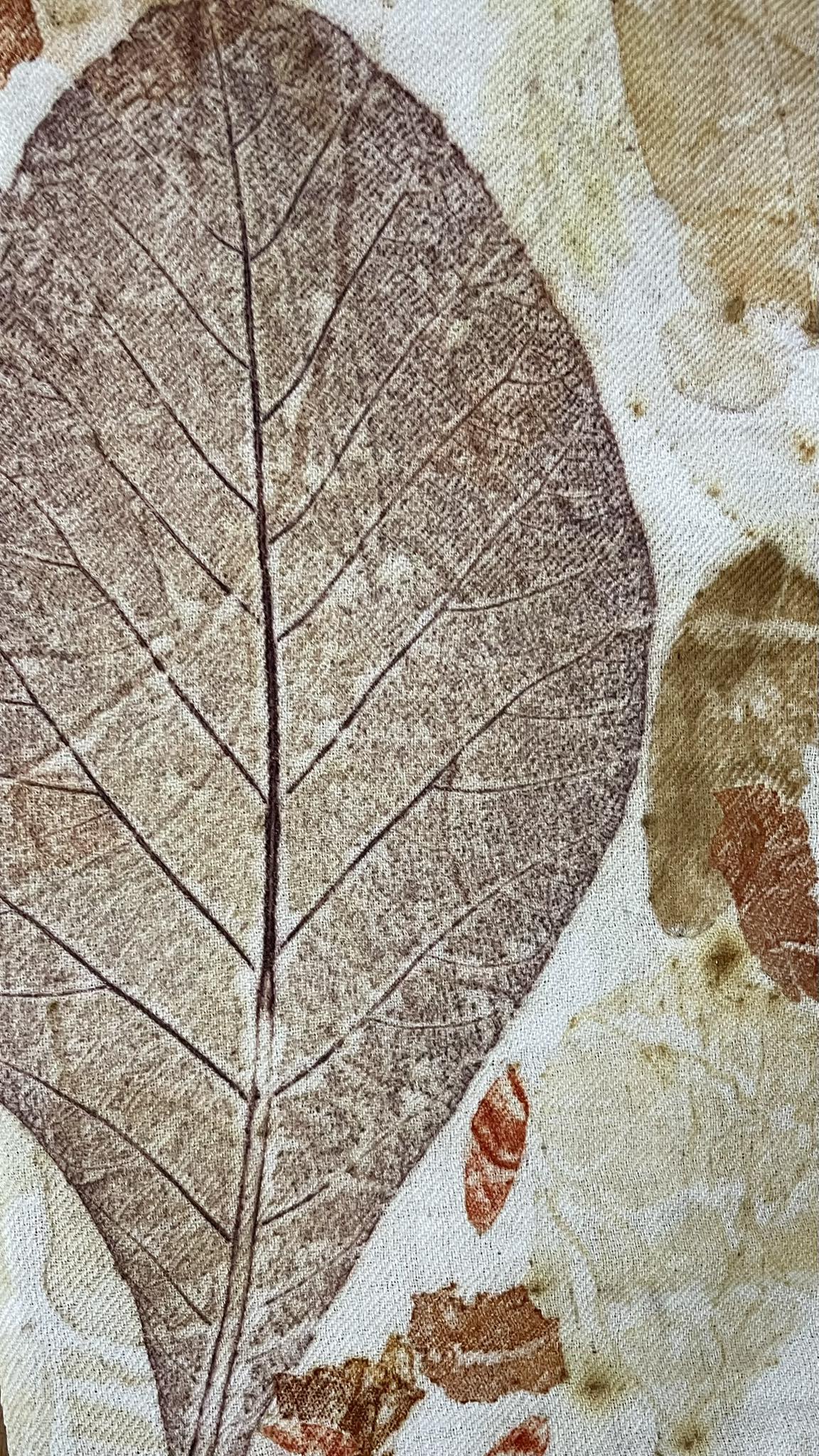
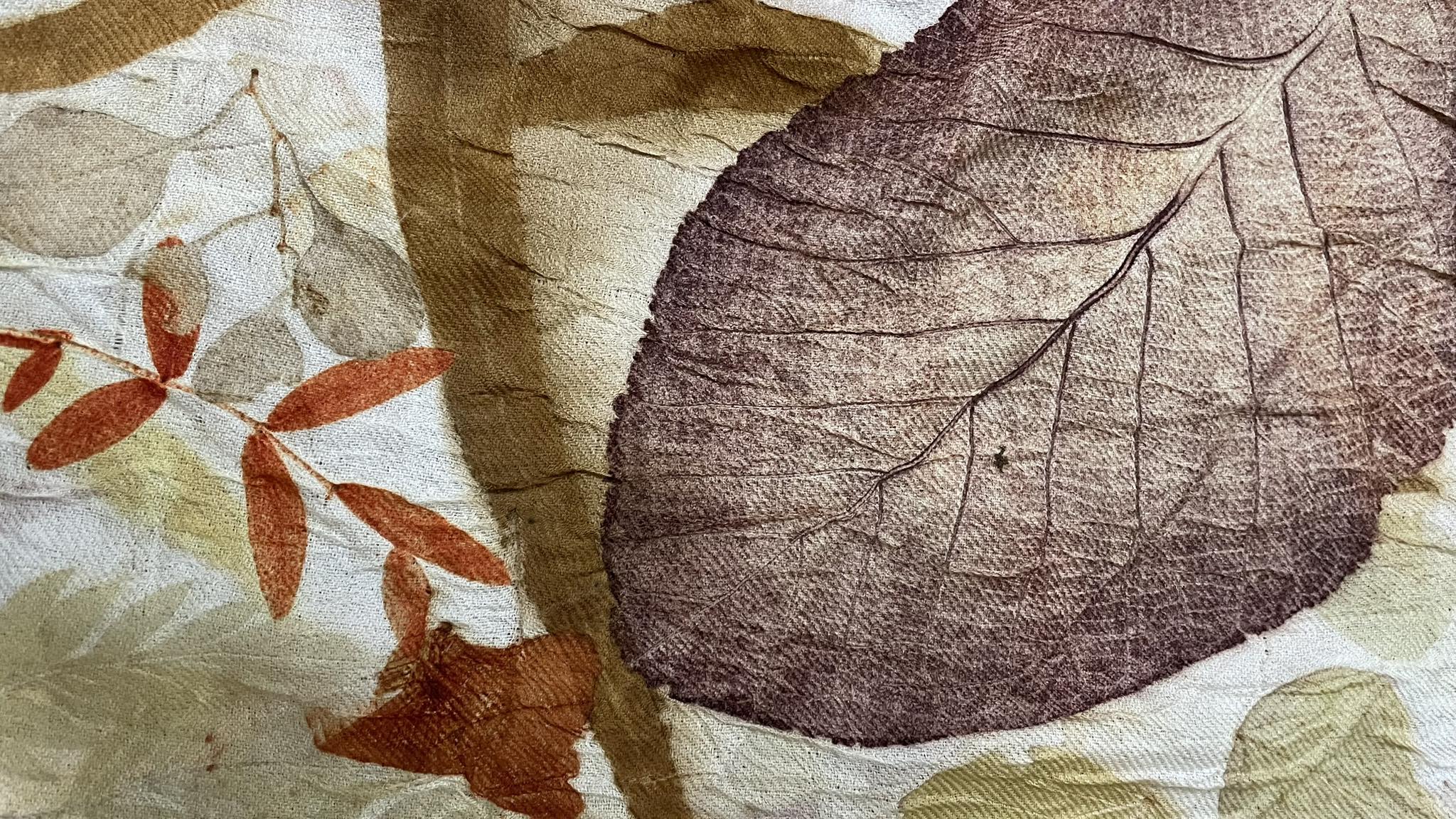
🌿And what everyone looks forward to most is the final unboxing. It’s not just about opening the fabric; it’s like unlocking an answer after a long wait. As the texture and color of the leaves slowly emerge and change with the fabric, the surprise always makes it all worthwhile.
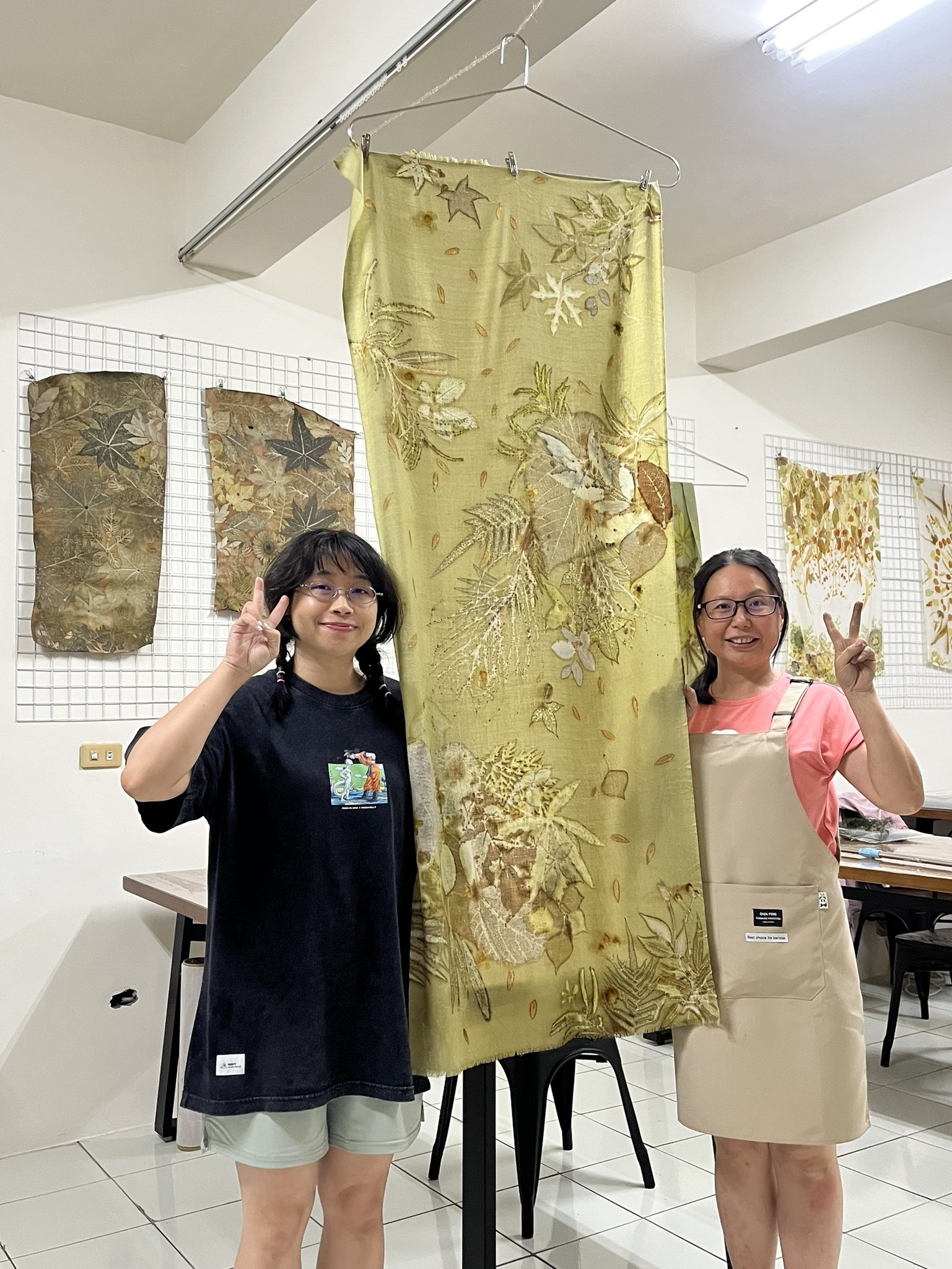
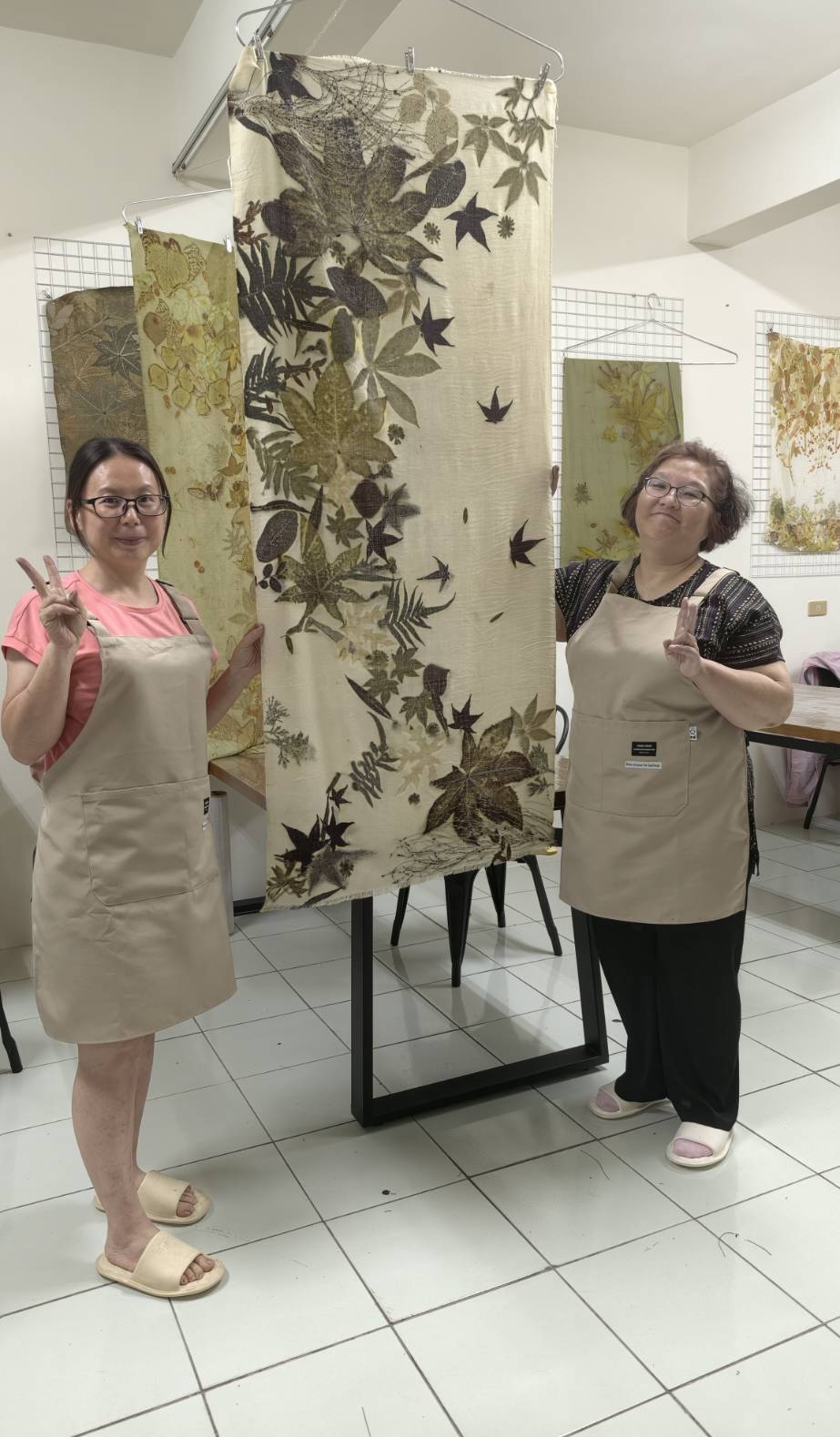
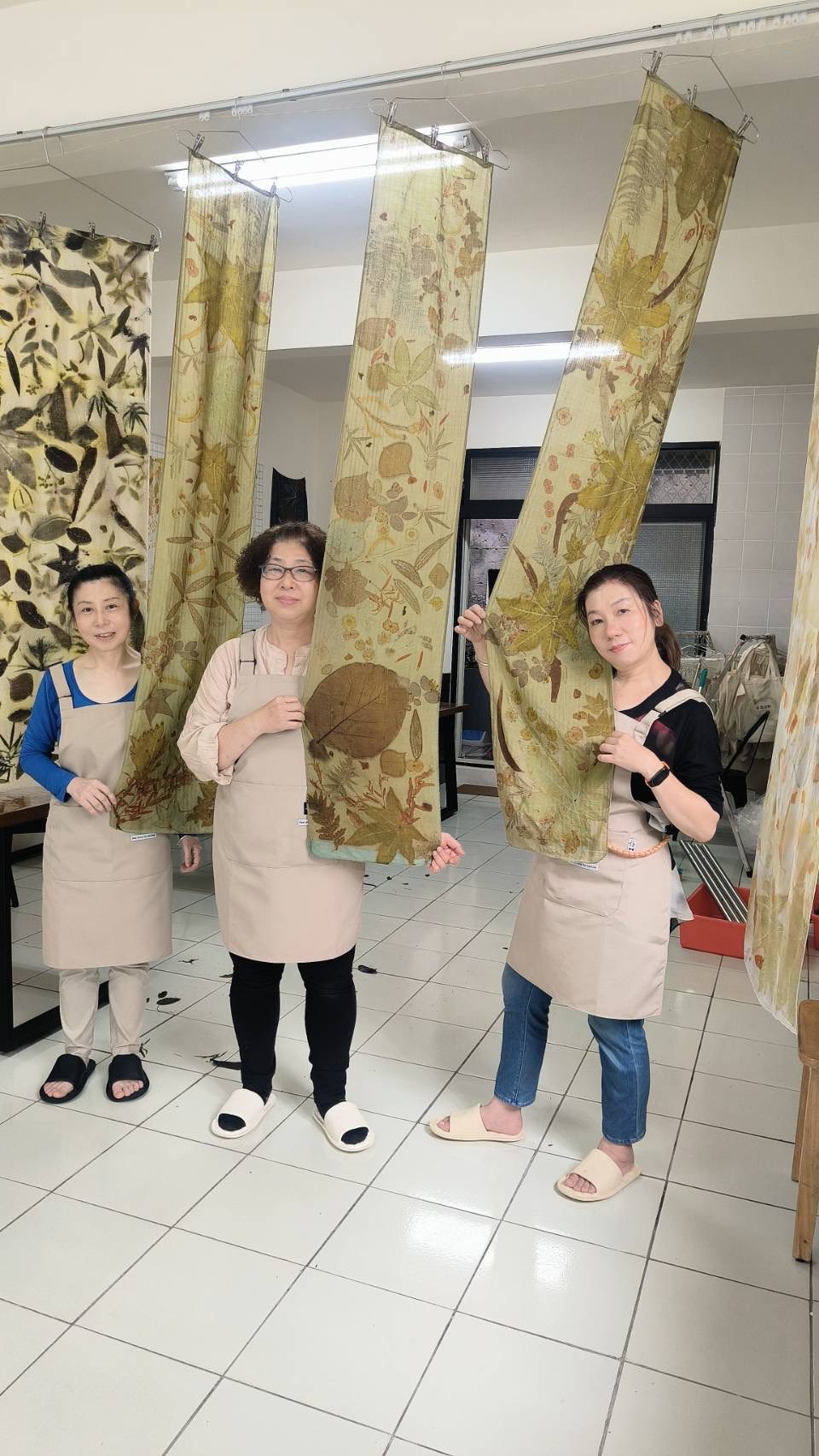
Thank you to every student who is willing to participate.
From collecting the leaves to arranging them, from steaming to unpacking, this two-day basic course allowed me to see everyone earnestly experience and practice each step. It also made me more convinced that truly solid learning will gradually accumulate into the most stable force in future creations.